Discovering the Diversity of Orchids: A Guide for Every Gardener

Orchids have long captivated the hearts of gardeners and plant enthusiasts alike with their stunning diversity and unique characteristics. Originating from diverse habitats such as tropical rainforests, temperate regions, and even deserts, orchids are known for their intricate blooms and often delicate appearances. Despite their reputation for being finicky, many orchids can thrive with the right care and attention, making them a rewarding addition to any indoor garden.

Why Orchids Are Special
Orchids have earned their reputation as special plants not only for their exquisite beauty but also for their remarkable adaptations to diverse environments. Their ability to thrive in various ecosystems, from humid rainforests to arid deserts, showcases their resilience and evolutionary sophistication. Orchids have developed unique relationships with pollinators, often relying on specific insects or birds for pollination, which adds to their ecological significance.

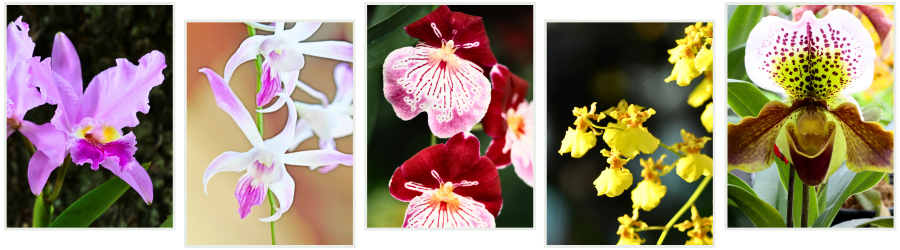
When you visit our garden center, you’re likely to find several different kinds of orchids available. By learning about the unique characteristics of different orchid types such as Cattleya, Dendrobium, Miltonia, Oncidium, and Paphiopedilum, you can better cater to their individual requirements and enjoy the rewards of their spectacular blooms.
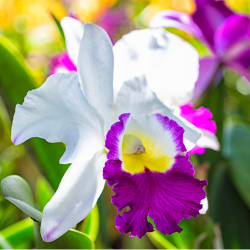
Cattleya Orchids:
Queen of Orchids

Cattleya orchids, often referred to as the “Queen of Orchids,” are celebrated for their large, showy flowers and delightful fragrance. Native to Central and South America, these orchids prefer bright, indirect light and a well-draining potting medium. They are popular among orchid enthusiasts for their vibrant colors and the striking appearance of their blooms, which can last for several weeks under optimal conditions.

Dendrobium Orchids: Diverse and Adaptable
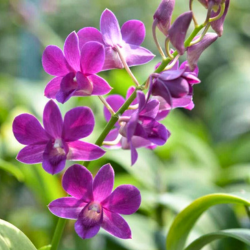
Dendrobium orchids are one of the largest genera in the orchid family, encompassing a wide range of species and hybrids. They originate from various regions including Asia, Australia, and the Pacific Islands. Dendrobiums are known for their cane-like pseudobulbs and clusters of flowers that bloom along the length of the stems. These orchids thrive in bright, indirect light and require regular watering during their active growth periods.
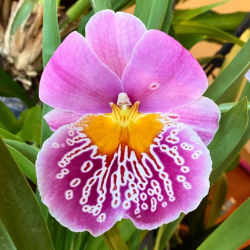
Miltonia Orchids: Graceful and Fragrant

Miltonia orchids, often called “Pansy Orchids,” are admired for their elegant, pansy-like flowers and delicate fragrance. Native to the cloud forests of Brazil and neighboring countries, Miltonias prefer moderate light and humidity levels. They are characterized by their long, arching flower spikes that bear multiple blooms. These orchids benefit from consistent moisture and good air circulation to prevent fungal issues.

Oncidium Orchids: Dancing Lady Orchids
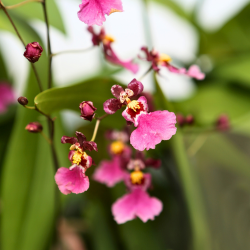
Oncidium orchids, commonly known as “Dancing Lady Orchids,” are cherished for their petite, often brightly colored flowers that resemble dancing figures. Native to diverse habitats from rainforests to semi-desert regions in South America, Oncidiums are relatively easy to grow and can tolerate a range of light conditions from moderate to bright indirect light. They require regular watering but must be allowed to dry out slightly between waterings to prevent root rot.
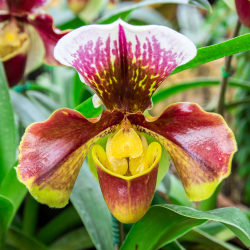
Paphiopedilum Orchids: Slipper Orchids

Paphiopedilum orchids, also known as “Slipper Orchids,” are distinctive for their slipper-shaped pouches and elegant foliage. They are found in Southeast Asia and parts of the Indian subcontinent, often growing on forest floors or rocky terrain. Paphiopedilums prefer low to moderate light levels and high humidity. They are more forgiving in terms of watering, as their roots are sensitive to overwatering. These orchids bloom sequentially from a single flower spike and can produce flowers that last for several months.

Growing Orchids Successfully at Home
Successfully growing orchids at home requires understanding their specific needs regarding light, humidity, watering, and temperature. While each type of orchid has its preferences, most orchids benefit from bright, indirect light, consistent moisture (without waterlogged roots), and adequate air circulation. Choosing the right potting medium—typically a mix of bark, perlite, and sphagnum moss—is crucial for providing proper drainage and aeration.

With patience and attention to detail, orchid growing can become a deeply satisfying hobby that allows you to witness nature’s beauty firsthand in your own home. Happy gardening, and may your orchids flourish!
Growing Grapes in Colorado Gardens: A Comprehensive Guide

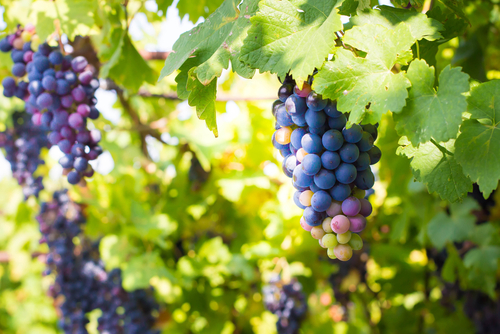
Growing grapes in Colorado can be a rewarding experience, whether you’re aiming for fresh table grapes, juice, or even homemade wine. This guide will walk you through the essential steps for successful grape cultivation, from choosing the right cultivars to planting, trellising, pruning, and general care.

Types and Cultivars

Types of Grapes:

  • Table Grapes: Ideal for fresh eating, with popular seedless varieties like Himrod, Interlaken, Canadice, St. Theresa, and Reliance.
  • Juice and Jelly Grapes: Popular cultivars include Concord, Valiant, Niagara, and St. Croix.
  • Wine Grapes
  • Raisin Grapes

Cultivars:

  • American Cultivars (Vitis labrusca): Known for their strong “foxy” (musty) flavor and aroma, these are used for juice, fresh eating, and some wines.
  • European Cultivars (Vitis vinifera): With tight clusters and thin skins, these grapes are used for wines and require more heat units for maturity, making them less suitable for Colorado.
  • French-American Hybrids: Popular for wine, with characteristics that vary depending on parentage.

Planting Grapes

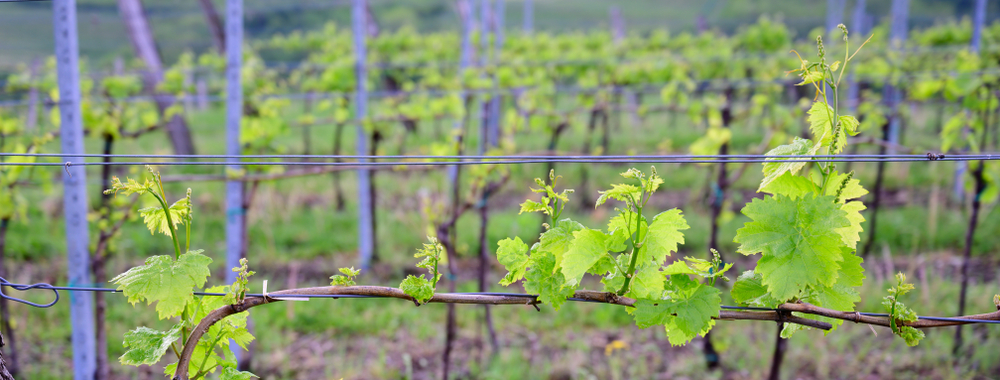
Grapes need full sun and protection from wind. Space plants 6 to 8 feet apart, in rows 6 to 10 feet apart, depending on your trellising system. Strong trellising systems are necessary to support the heavy vines and fruit. Use treated posts and 12-gauge or heavier wire.

Trellising and Pruning

Grapes fruit on one-year-old wood, making pruning a balance between fruit production and renewing wood. Proper pruning is essential for high yields and large clusters of grapes. Unpruned or under-pruned grapes will produce many small clusters of tiny grapes, while over-pruning reduces yield.

Single Curtain System:

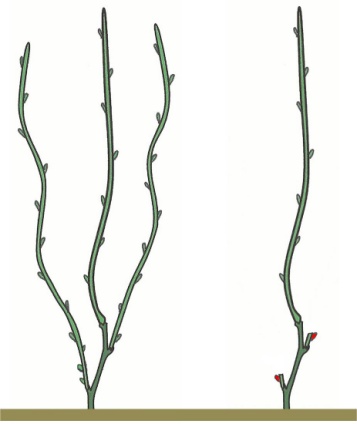
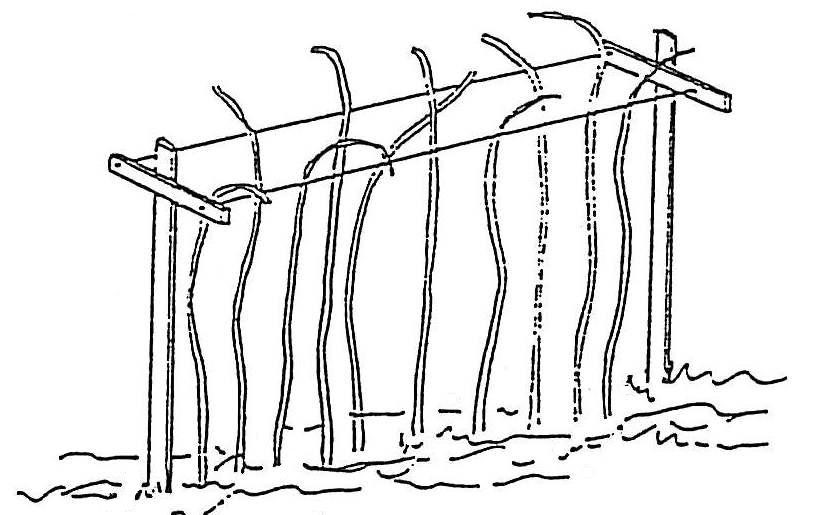
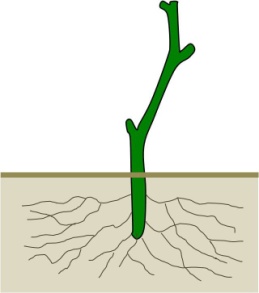
  1. Pruning at Planting: Cut back to two to three buds to encourage the growth of a strong primary trunk.
    • Image provided by CSU extension
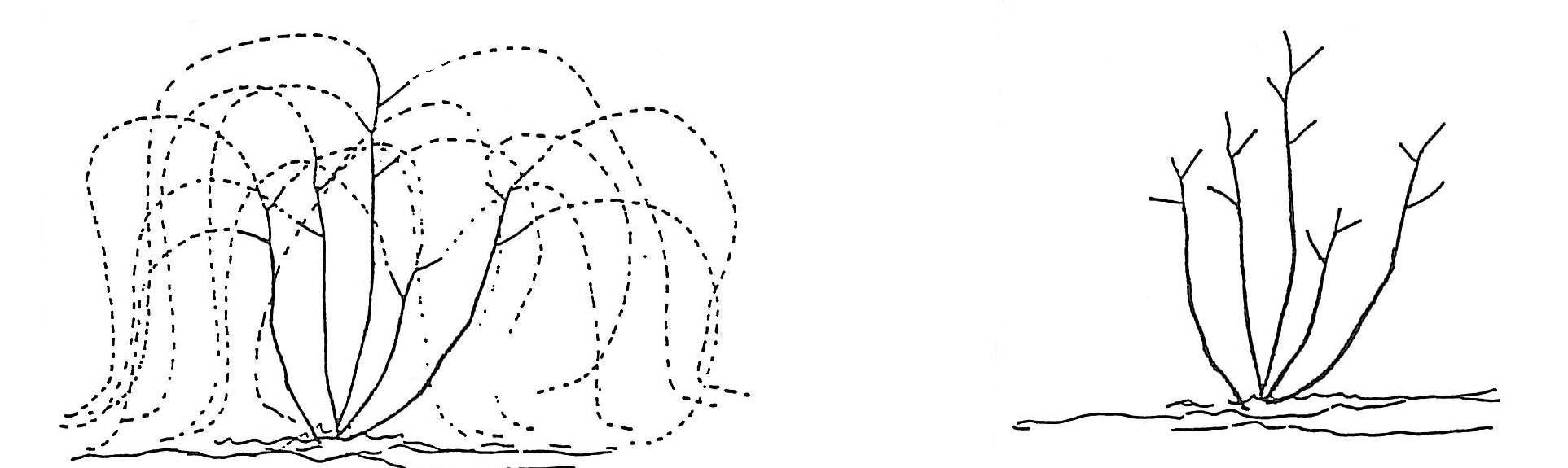
  2. Second Spring Pruning: Select one cane to become the trunk and remove others, leaving one or two renewal spurs.
    • Image provided by CSU extension
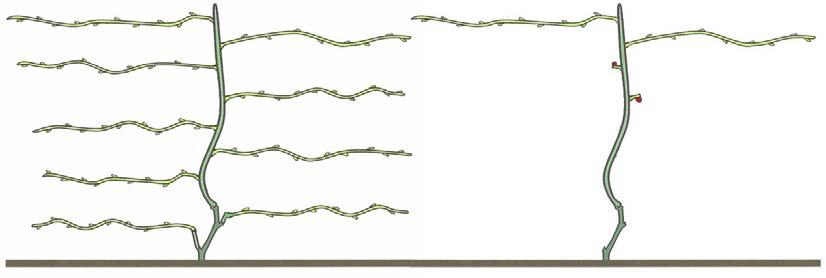
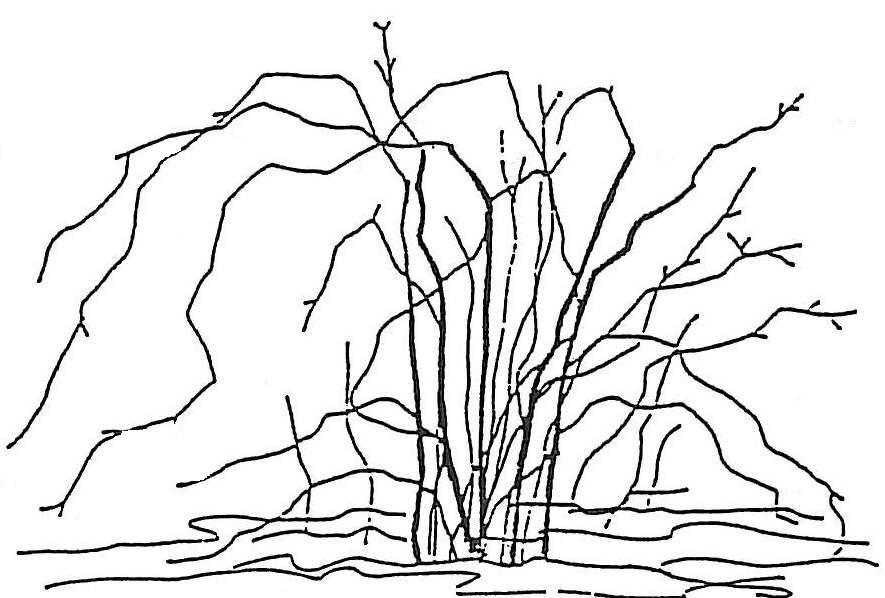
  3. Third Spring Pruning: Select two one-year-old canes to become fruiting canes and cordon arms along the trellis. Prune two other canes back to two buds each to serve as renewal spurs.
    • Image provided by CSU extension
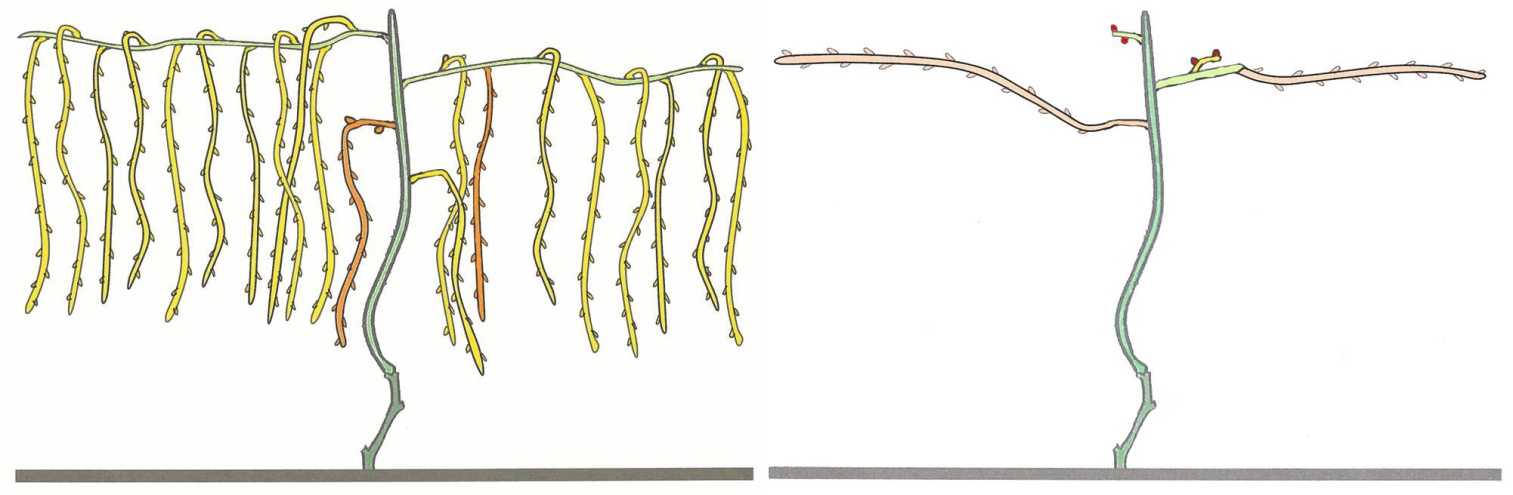
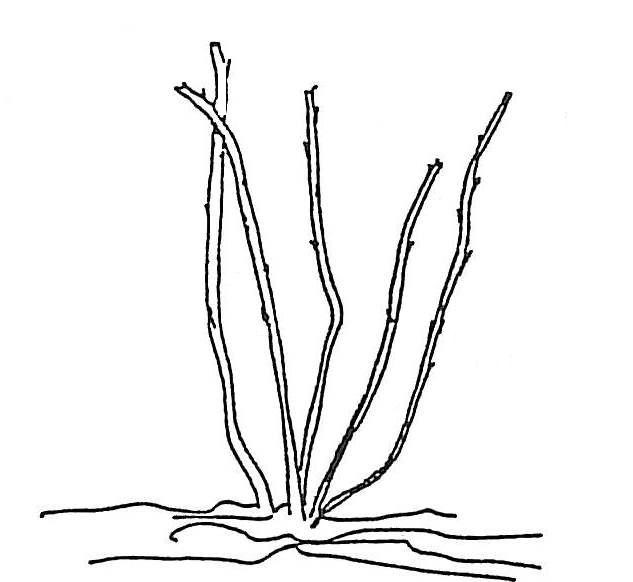
  4. Fourth Spring and Beyond: Continue selecting new fruiting canes and renewal spurs each spring, maintaining the balance between fruit production and new wood growth.
    • Image provided by CSU extension

General Care of Grapes

  • Mulching: Use a four-foot-wide weed-free bark/wood chip mulch strip under the trellis to help retain moisture and reduce weed competition.
  • Watering: Avoid over-watering, as it can lead to iron chlorosis.
  • Fertilization: Go light on fertilization. Apply one-fourth cup of 21-0-0 (or equivalent) per established plant, broadcast under the trellis, and water in.
  • Harvest: Flavor is the best indicator for home gardeners to determine harvest time.

Common Grape Pests

Fruit:

  • Birds: Bird netting may be necessary to protect the fruit.
  • Botrytis Bunch Rot: Often a problem with heavy canopies due to inadequate pruning and poor air circulation.
  • Spotted Wing Drosophila Flies: These can affect ripe grapes.

Plants:

  • Powdery Mildew: Refer to CSU Extension Fact Sheet #2.902 for management.
  • Iron Chlorosis: Typically a symptom of over-watering. Refer to CSU Extension CMG GardenNotes #223 for more information.
  • Root Rots: Poor soil drainage can lead to root rot issues.
  • Weeds and Diseases: Grapes do not tolerate competition well, so adequate control is necessary.

By following these guidelines, you can enjoy a bountiful grape harvest in your Colorado garden. Happy gardening!

For more detailed information, call or visit Echter’s Garden Center or contact your local CSU Extension office.

Growing and Pruning Raspberries in Colorado: A Comprehensive Guide

Raspberries are a delightful addition to any home garden, providing delicious fruit and vibrant foliage. In Colorado, only selected varieties of red and yellow raspberries are recommended due to the state’s unique climate. This guide covers everything from choosing the right varieties to effective pruning techniques, ensuring you enjoy a bountiful raspberry harvest.

Suitable Raspberry Varieties for Colorado

Red and Yellow Raspberries:

  • Best for general cultivation in Colorado.
  • Recommended varieties include summer-bearing types like ‘Nova’ and ‘Boyne,’ and fall-bearing types suitable for the Front Range and Western Slope.

Black Raspberries:

  • Hardy varieties such as Niwot and Pequot can thrive in some Colorado areas.

Other Varieties:

  • Blackberries, purple raspberries, boysenberries, loganberries, and dewberries require special winter protection and are less recommended.

Types of Raspberries

Summer-Bearing (Floricane):

  • Produce flowers and fruit on second-year canes.
  • Fruit once per season.

Fall-Bearing (Primocane or Everbearing):

  • Produce flowers and fruit on first-year canes.
  • Can provide two harvests: one in fall and a lighter one in summer on the lower parts of the canes.
Chart Provided by CSU Extension

Soil Preparation and Planting

Soil Requirements:

  • Well-drained garden soil rich in organic matter.
  • Conduct a soil test to determine nutrient needs, especially nitrogen, zinc, iron, and manganese.

Planting:

  • Plant red and yellow raspberries as rooted suckers in spring.
  • Space plants 2-3 feet apart with rows 5-10 feet apart.
  • Cut tops to 4-6 inches above ground after planting.

Pruning Techniques

Red Raspberries:

  • Can be trained to a single stake or supported by horizontal wires 18” apart.
  • Freestanding canes should be headed back below 4.5 feet to prevent bending.

Black and Purple Raspberries:

  • Less vigorous and pruned heavily.
  • Often left freestanding.

General Pruning Tips:

  • Remove spent floricanes after fruiting to prevent disease.
  • In spring, remove dead, weak, and small canes.
  • For fall-bearing varieties, either mow all canes to ground level after harvest or remove the fruited cane parts, leaving the lower portions for summer fruit.

Trellising and Support

  • Trellising is advisable to keep canes erect and simplify harvesting.
  • Use wires 3 feet above ground to confine canes to the hedge row.
  • Larger fruit can be achieved by tipping canes at a convenient height.

Watering and Fertilization

Watering:

  • Maintain moderate moisture in the root zone.
  • Increase watering during flowering and fruiting periods.
  • Withhold water after the first frost to harden off plants.

Fertilization:

  • Apply nitrogen fertilizer as needed based on soil tests and cane growth.
  • Fall-bearing raspberries require more nitrogen than summer-bearing varieties.

Winter Protection

For Summer-Bearing Varieties:

  • Lay canes down and cover with soil or mulch after November 1.
  • Lift canes in early April and return the soil to the furrow.

For Fall-Bearing Varieties:

  • Mow canes after harvest to avoid winter damage.
  • If a summer crop is desired, protect canes similarly to summer-bearing types.

Yield and Longevity

  • Expect 15-20 pounds of fruit per year from a 25-foot hedge row by the third year.
  • Productivity may decline after 8-10 years, necessitating relocation of the raspberry bed.

Disease and Pest Management

Common Pests:

  • Spider mites, which can be managed by maintaining healthy, well-watered plants.
  • Raspberry cane borers, identified by wilting cane tips, can be controlled by removing affected canes.
  • Spotted wing drosophila, managed through refrigeration, cleanup of dropped fruit, and trapping.

Preventative Measures:

  • Purchase disease-free stock from reputable sources.
  • Regularly thin canes to improve light and air circulation.

By following these guidelines, you can successfully grow and enjoy raspberries in your Colorado garden. For more detailed information and expert advice, contact Echter’s Garden Center or refer to resources from Colorado State University Extension. Happy gardening!

Growing Blueberries: A Comprehensive Guide to Blueberry Care & Culture

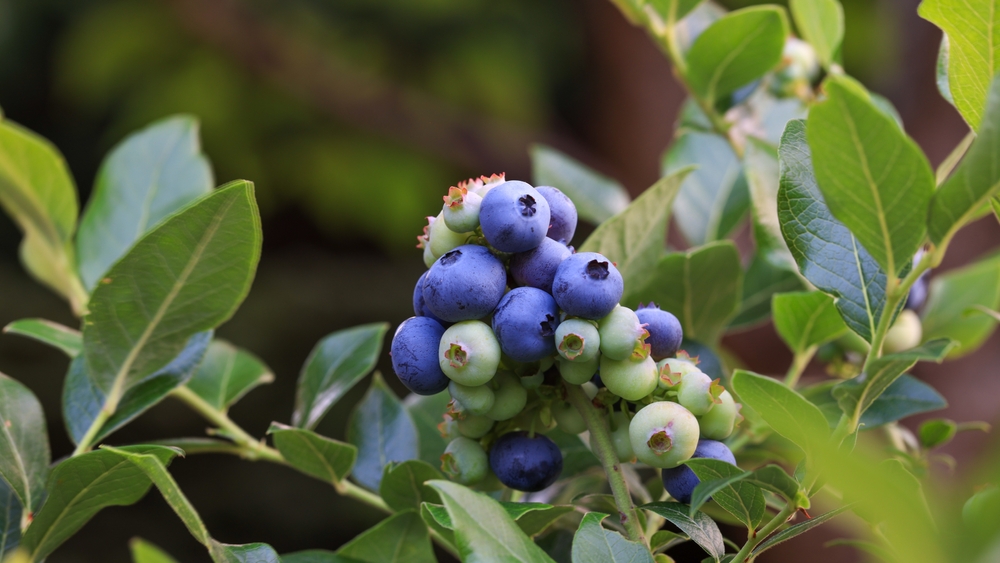
Blueberry bushes are an excellent addition to both edible and ornamental landscapes. They not only produce delicious, nutritious fruit but also enhance the garden’s aesthetic with their glossy, deep green leaves in summer and vibrant scarlet foliage in autumn. Here’s how to successfully cultivate blueberries, particularly in regions like the Rocky Mountain West, where soil conditions may pose a challenge.

Essential Growing Conditions

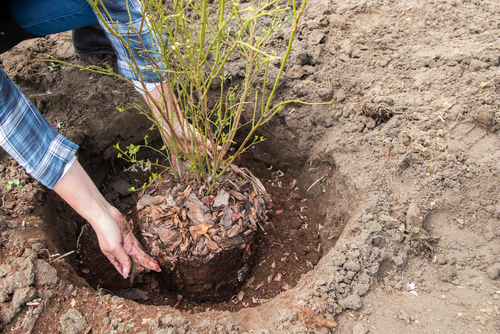
To thrive, blueberries require well-drained, acidic soil (pH 4.5 – 5.5) rich in organic matter. They should be planted in part shade/shade locations and protected from harsh winter winds. Given that naturally acidic soil is rare in the Rocky Mountain region, consider the following methods to create suitable conditions:

  1. Soil Replacement: Remove existing soil from the planting area to a depth of two feet and replace it with a mix of 50% good commercial topsoil and 50% horticultural sphagnum peat moss. Adding extra compost is also beneficial.
  2. Container Planting: Use half a whiskey barrel or a large 20″ plastic pot with additional drainage holes. Fill with the soil mix mentioned above and sink the container into the ground.
  3. Raised Beds: Build a raised bed (3-4 feet wide and 8-12 inches high) using the same specialized soil mix.

Regularly test the soil’s pH using test kits available from Echter’s or other local garden centers.

Plant Care Tips

  • Mulching: Apply a layer of bark chips to conserve moisture, cool the roots, and suppress weeds.
  • Watering: Maintain continuous but moderate moisture throughout the growing season. Avoid over-watering by checking the soil’s top inch for moisture before watering.
  • Fertilization: Annually amend the soil with compost and regularly acidify with products like Ferti-lome Evergreen Food or Miracid. Start fertilizing in May, just before bloom, and continue as directed on the fertilizer label.
  • Pest and Disease Control: Insect problems are rare but can be managed with Malathion if necessary. To prevent fungal issues, water in the early morning and prune correctly.

Bird Control

Birds such as robins, finches, and starlings enjoy blueberries just as much as we do. To protect your crop, cover shrubs with Ross Garden Netting as berries begin to ripen, following the manufacturer’s instructions.

Harvest and Storage

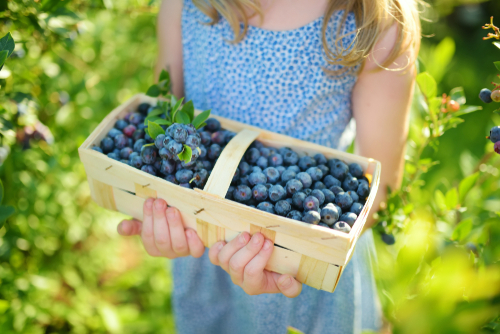
Blueberries are harvested from July through September. Store them in a refrigerator at 32-35°F to keep them fresh for 10-14 days. Fresh blueberries freeze well and maintain their taste, texture, and appearance for up to two years when stored at 0°F. Always freeze blueberries unwashed to preserve their natural protective coating. They can also be canned or processed into syrup.

Winter Protection

For best results, protect blueberry bushes during winter:

  • Apply 4-5 inches of bark mulch around the base in late November after the ground freezes. Remove the mulch in April.
  • Water during extended dry periods or when there’s no snow cover.
  • Stop fertilizing by the end of July to allow plants to harden off before winter.

Pruning Guide

Proper pruning is essential for healthy blueberry plants and optimal fruit production:

  • Establishment Years (First Two Years): Remove winter-killed and diseased wood. Prevent fruit setting to aid establishment by rubbing out flower buds in early spring.
  • First Pruning Year: Prune in early spring after the bush has been planted for two seasons. Remove diseased or dead wood and any crossing canes. Keep two or three healthy canes.
  • Second Through Fifth Years: Continue the same process each year, maintaining a goal of 12 healthy canes of different ages by the fifth year.
  • Maintenance Pruning (After Fifth Year): Maintain the bush at 12-15 canes, pruning out the oldest canes annually and leaving two or three new ones.

Pruning, along with proper soil pH, drip irrigation, and mulching, significantly impacts berry size and quality. Annual pruning ensures consistent, high-quality fruit production.

In summary, with the right care and attention, blueberry bushes can be a fruitful and beautiful part of your garden. By following these guidelines, you can enjoy bountiful harvests of delicious, nutritious blueberries year after year.

For more gardening tips and expert advice, visit our website at Echter’s Garden Center or call us at 303-424-7979.

Exploring Ornamental Grasses for Colorado Gardens

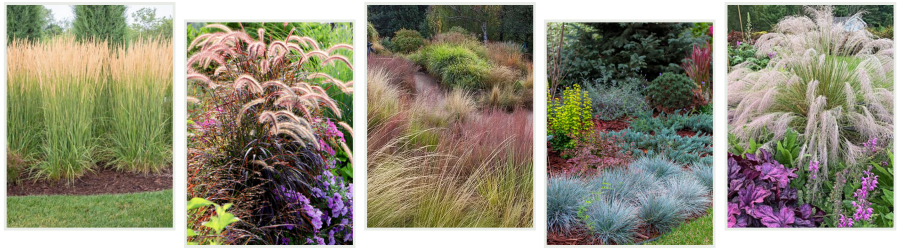
Ornamental grasses offer a beautiful and low-maintenance option for adding texture, movement, and color to our gardens. Here are five of our favorites and why we love them for Colorado gardens.

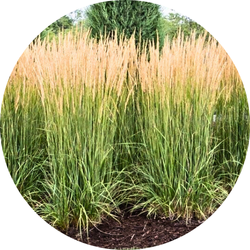
Karl Foerster Grass (Calamagrostis x acutiflora ‘Karl Foerster’)

A timeless favorite among gardeners for its elegant, upright growth habit and feathery plumes that sway gracefully in the breeze. This cool-season grass is well-suited to Colorado’s climate, thriving in full sun to partial shade and well-drained soil. Its drought tolerance and low-maintenance requirements make it an excellent choice for busy gardeners. Karl Foerster Grass adds vertical interest to garden beds, provides winter interest with its golden-hued foliage, and serves as a lovely backdrop for flowering perennials. Its adaptability to various soil types and its resistance to pests and diseases further enhance its appeal for Colorado landscapes.

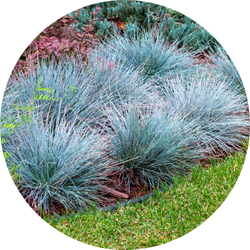
Elijah Blue Fescue
(Festuca glauca ‘Elijah Blue’)

Prized for its striking blue foliage, Elijah Blue adds a cool, soothing contrast to warmer-hued plants in the garden. This compact, clump-forming grass is well-suited to Colorado’s high-altitude gardens, where it thrives in full sun and well-drained, sandy soils. Its drought tolerance and deer resistance make it a practical choice for low-maintenance landscapes. Elijah Blue Fescue is ideal for edging pathways, rock gardens, or containers, where its unique coloration can be appreciated up close. Colorado gardeners seeking a pop of color and texture will find Elijah Blue Fescue to be a valuable addition to their gardens.

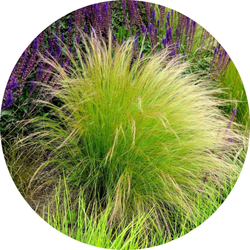
Mexican Feather Grass (Nassella tenuissima)

Graceful and ethereal, this delicate grass captivates with its feather-like foliage and airy swaying movement in the breeze. This warm-season grass thrives in Colorado’s sunny, dry conditions and is well-adapted to poor, rocky soils. Its fine texture and graceful form make it a versatile addition to both formal and informal garden settings. Mexican Feather Grass pairs beautifully with drought-tolerant perennials and succulents, creating a naturalistic, drought-tolerant landscape.

Standing Ovation
Little Blue Stem Grass

Schizachyrium scoparium

This popular selection celebrates the beauty of native grasses with its slender, upright stems and striking blue-green foliage that turns shades of bronze, purple, and red in the fall. This warm-season grass is well-suited to Colorado’s dry, sunny conditions and is tolerant of a wide range of soil types, including clay and sandy soils. Its compact size and drought tolerance make it a valuable addition to water-wise landscapes, where it provides habitat and food for birds and beneficial insects. Standing Ovation shines in naturalistic plantings, meadow gardens, or as a focal point in mixed borders, where its ever-changing colors offer year-round interest.

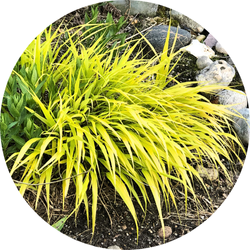
Golden Hakone Grass (Hakonechloa macra ‘Aureola’)

This gorgeous perennial grass brings a touch of elegance to shaded areas of the garden with its cascading mounds of golden-yellow foliage that brighten even the darkest corners. It’s a cool-season grass that prefers partial to full shade and moist, well-drained soil, making it an excellent choice for gardens with dappled sunlight or filtered shade. Its graceful, arching habit adds movement and texture to woodland gardens, shady borders, or container plantings. Golden Hakone pairs beautifully with ferns, hostas, and other shade-loving perennials, creating a lush tapestry of colors and textures. While it may require supplemental watering during periods of drought, its low maintenance needs and stunning foliage make it a worthwhile addition to any Colorado garden.

Ornamental grasses offer an array of textures, colors, and forms that can enhance the beauty and functionality of Colorado gardens. From the classic elegance of Karl Foerster Grass to the ethereal charm of Mexican Feather Grass, there’s a grass to suit every taste and garden style.

Whether you’re looking to add vertical interest, vibrant color, or graceful movement to your landscape, these five ornamental grasses are sure to delight Colorado gardeners with their beauty and resilience. So why not consider adding one—or more—of these grasses to your garden this season? Your landscape will thank you for it!