The fall and winter season provides an opportunity to control pests and disease in the garden. Fire Blight is a bacterial disease that affects certain species in the rose family, especially apples, crabapples and pears. Applying Bonide Copper Fungicide while the trees are dormant is one method of control. Copper sprays are toxic to many species of bacteria and should be applied prior to bud break while trees are still in dormancy because they may damage leaves and young fruit.
Control the overwintering stages of many insects on trees and shrubs with All Season’s Spray Oil. Be sure that the air temperature is above 35 degrees F and do not apply if plant tissues are wet or rain is likely. The oil will smother overwintering aphids, spider mites, eriophyde mites, scale and their eggs and larvae.
If you had problems with powdery mildew or other fungal leaf spotting on lilacs, aspen and maples, be sure to clean up any leaf debris and dispose of it. Clean up of affected leaves is one of the most effective controls of powdery mildew. It is best to avoid overhead watering of the affected plants during the growing season if possible.
Most pests and disease problems result from stress to plants. In Colorado our greatest stress factor for plants is drought. Remember to continue watering plants in your landscape through the winter when temperatures are above normal and precipitation is below normal. Water mid-day when temperatures are in the 40 to 50 degree F range. During prolonged dry periods, water at 3 to 4 week intervals.
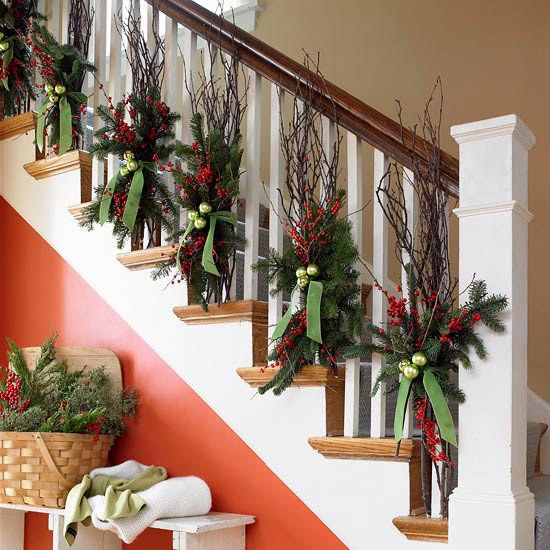
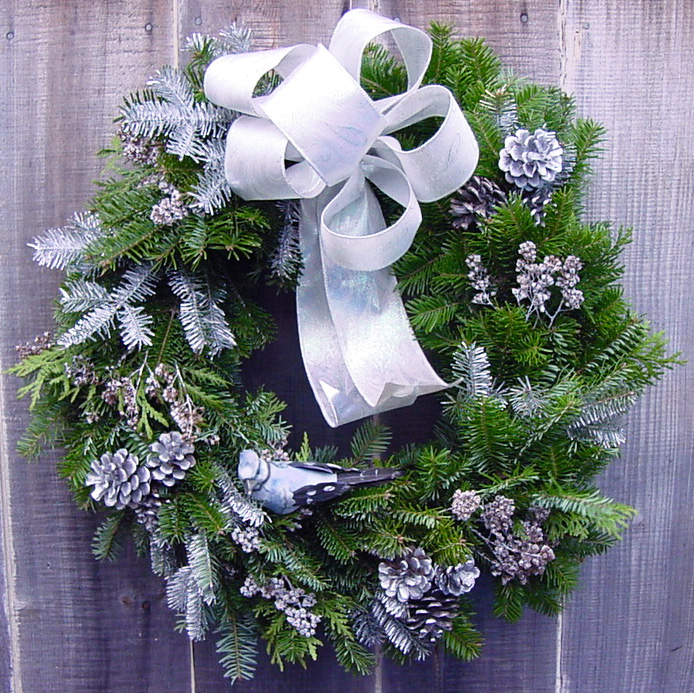
Festive decorations set the mood for holiday celebrations. The fresh scent of pine and cedar boughs brings forth memories of evenings spent with friends and family, and excitement for the gatherings to come. Wreaths and garlands made up of fresh cut evergreens have a long-standing tradition of welcoming visitors to our homes. A wreath can also serve as a centerpiece. Simply lay it flat on the table and place pillar candles in the center. Add ornaments and ribbon to suit your style. Similarly, boughs strewn down the center of table, accented with pine cones and berries, will add charm to your holiday table. There are few tricks to keeping fresh cut wreaths and greens looking nice, in our dry climate. Before decorating your wreath, spray it with Wilt Stop. Wilt Stop reduces moisture loss from the needles, keeping your wreaths and garlands looking fresh for a longer period of time. Display wreaths and garlands in shaded areas. Direct sunlight will dehydrate them quickly. If you are using them indoors, keep in mind that heat from the fireplace will dehydrate fresh greens and can pose a fire hazard. Limit use of the fireplace, or choose permanent wreaths and garlands to adorn the mantel. It will help to mist them lightly on a regular basis, too.

A favorite way to welcome guests is to create a holiday porch pot. Leave the potting mix in your summer planters, and wet it thoroughly. Fill the pot with fresh cut boughs and colorful branches. Add a festive garnish of ribbon, pine cones and holiday trim. Keep the soil moist and your bough filled planters will decorate your home into the New Year. This a great alternative to attempting to keep a living evergreen in your patio pots, a feat which is exceedingly difficult in our climate.

We can’t forget about the centerpiece to our holiday décor, the Christmas tree. Fresh cut Christmas trees bring out the holiday spirit in everyone. There’s nothing quite like the feeling generated by admiring a beautifully lit tree, filled with decorations that often span generations in a family. If you can, select your tree from a store where they are kept indoors. Your tree will have experienced less exposure to the elements, resulting in greater moisture retention in the needles. Your tree should receive a fresh cut and be placed in water within 20 minutes. Otherwise, the cut will seal and the tree won’t be able to draw up the water. It’s a good idea to wait 24 hours before decorating the tree, just to be sure it is drawing water. Be sure to use a tree stand with a large water reservoir and check to see that it is filled regularly. If the basin dries out just once, the tree will dry out quickly. Crispy Christmas trees are not only unattractive, they pose a fire hazard in your home. A few other tips include; display the tree out of direct sunlight and away from heat vents. Don’t leave the lights on when the tree is unattended. Disposal will be made easier if a tree bag is placed under the stand before the tree is set up. Then, when it’s time to take down the tree, just slide the bag up to prevent dropping needles through the house as it is removed. That’s what I call “merry.”
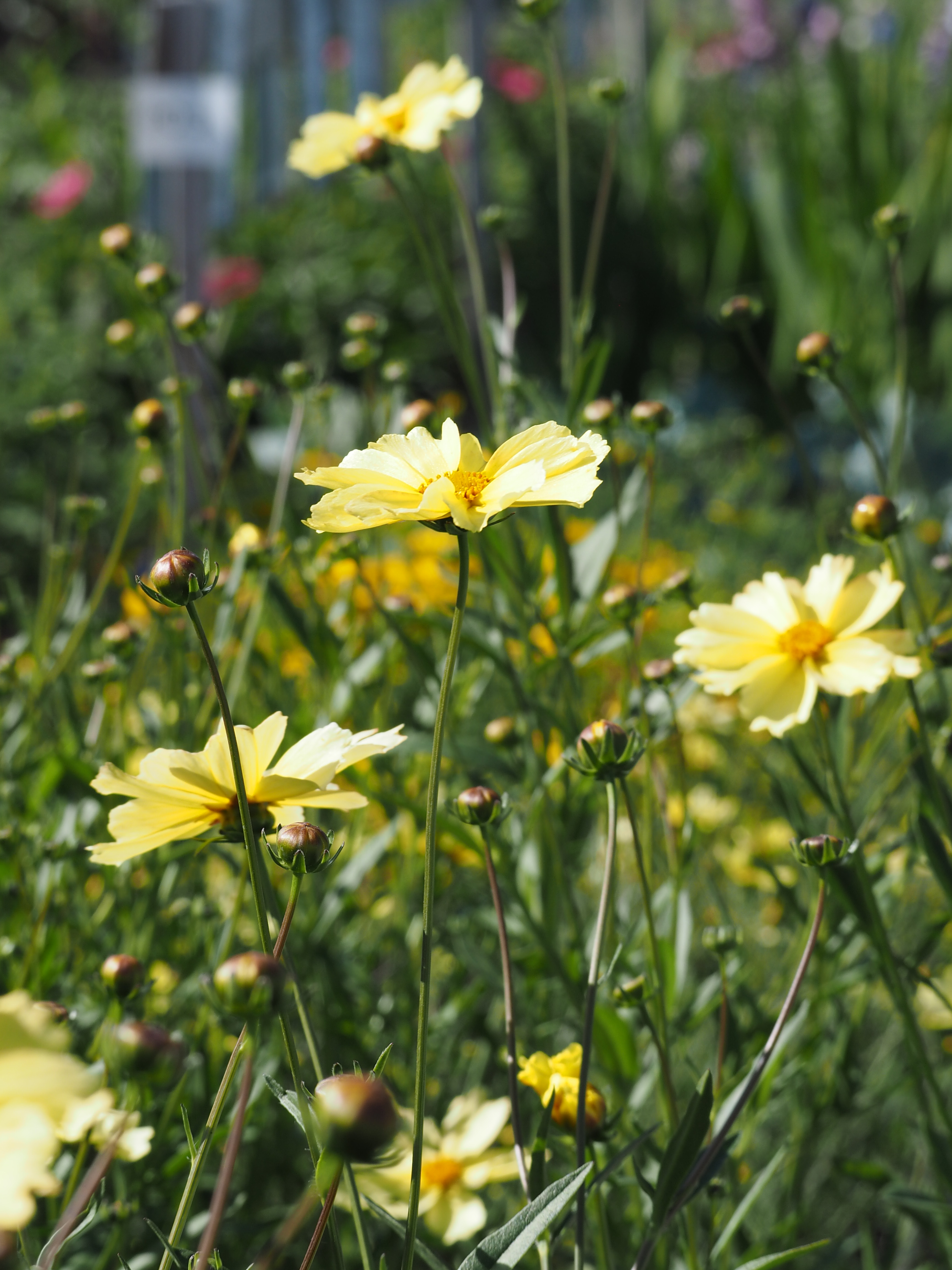
Spring flowers may have faded, but that doesn’t mean you garden has to lack color! There are many perennials that bide their time growing strong root systems throughout spring so they can put on their own show in the heat of summer. Here are several varieties that provide a beautiful summer display:
Coreopsis, also known as tickseed, starts blooming in June and is easy to grow. With some deadheading, it will continue to bloom with its bright, daisy-like flowers until fall. We have many varieties available ranging from cream colored to bright yellow and even red! Most range in size from 12” to 32” tall. ‘Full Moon’ has gorgeous, buttery yellow flowers held on wiry stems above bright green foliage and reaches up to 30” tall and 24” wide. ‘Moonbeam’ is a thread leaf variety with feathery foliage and creamy yellow flowers. It reaches to 18” tall and wide. Coreopsis pairs well with blue and purple flowering plants with a more spikey texture such as salvia, catmint, and lavender.
OLYMPUS DIGITAL CAMERA
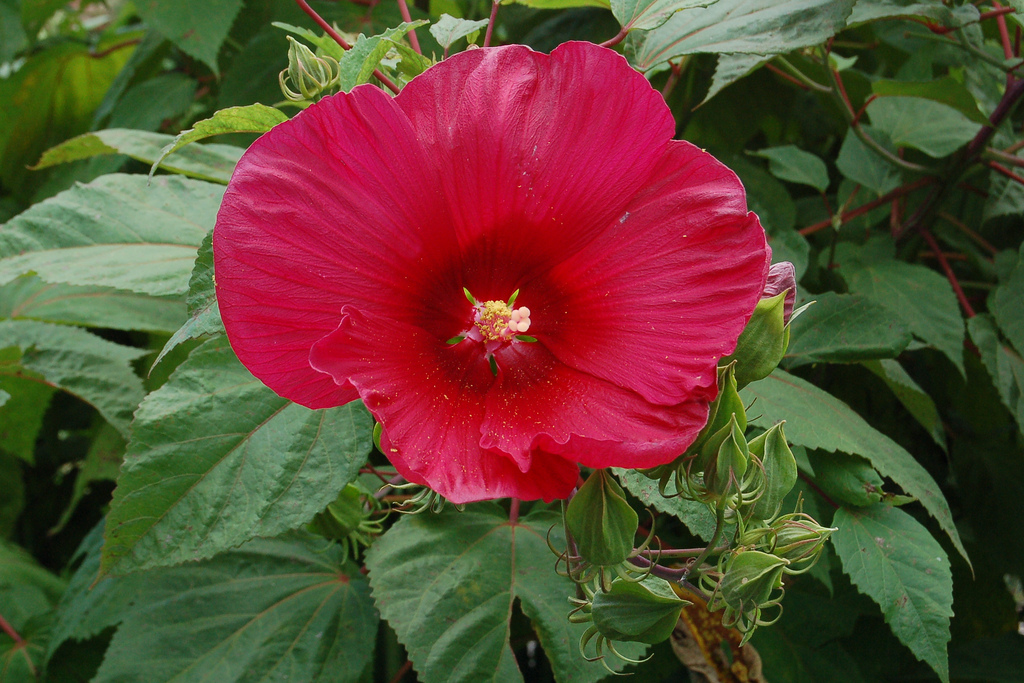
Hardy Hibiscus, with its large, tropical looking flowers and foliage is a showstopper in the late summer garden! While it’s a late starter, once it pops out of the ground it grows incredibly fast. Its sturdy stems and large leaves support enormous hibiscus flowers in shades of red, pink, or white in July and August. The stems will die back to the ground in late fall at which time it should be cut back. ‘Mars Madness’ is a variety with red-tinged leaves that emerge lime green and has bright red flowers. ‘Tie Dye’ has bright green leaves and has pink and white bicolor flowers with a ruby throat. With extra water, time, and care this plant can reach 5 feet tall and wide, but usually they will be 30” to 48” tall and wide in our area. Plant Hardy Hibiscus at the back of the perennial border or among perennials that have finished blooming such as peonies or tall bearded iris.
Rudbeckia, also known as Gloriosa Daisy or Black-Eyed Susan, produce large yellow to gold daisy-like flowers. ‘Prairie Sun’ grows to 36” tall and 18” wide with large blooms of lemon-yellow tipped gold petals and a green eye. ‘Indian Summer’ has large, bright yellow flowers with a dark eye and also grows to 36” tall and 18” wide. Rudbeckia looks wonderful planted in mass. Use it in borders, cottage gardens, meadows, or for naturalizing. Butterflies love it!
OLYMPUS DIGITAL CAMERA
Baby’s Breath (Gypsophila paniculata) has airy plumes of white flowers at the ends of the stems in July and August and provides a delicate texture to the garden. It grows to approximately 32” tall and wide with a dense mounded form. The silvery-blue narrow leaves look good all season and the flowers are excellent for cutting. It is drought tolerant. Deadhead to encourage fall bloom. Plant with iris, tulips, Oriental poppies, yarrow, and of course, roses. Choose location carefully as this one doesn’t like to be transplanted.
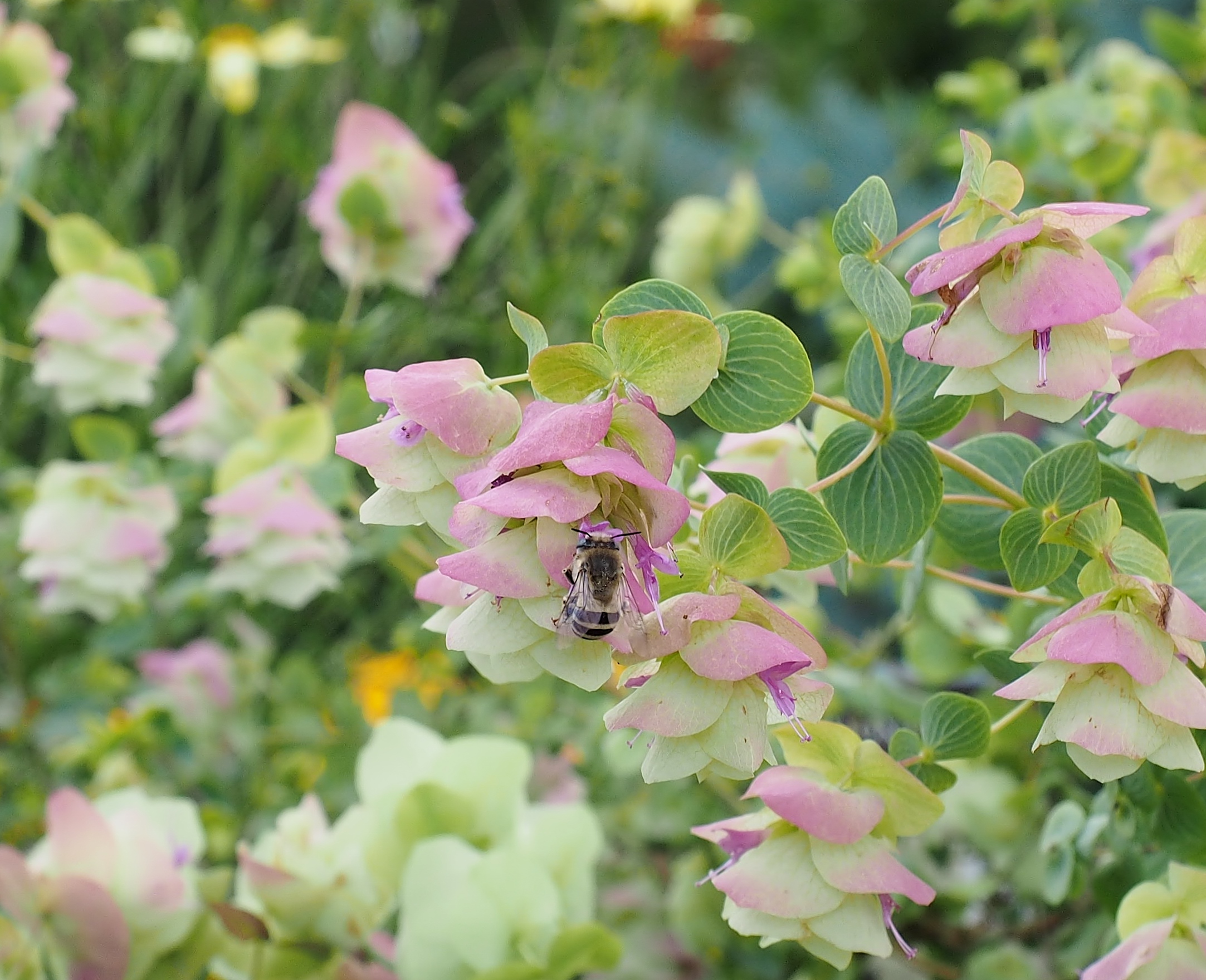
Hopflower Oregano (origanum rotundifolium) variety ‘Kent Beauty’ is a low, mounding form of ornamental oregano with long blooming cream and pink bracts containing tiny lavender flowers. The lush silvery-green foliage looks attractive all summer. Hopflower Oregano looks wonderful trailing over rocks or walls, in containers or in the front of the flowerbed. Bees love it!
OLYMPUS DIGITAL CAMERA
Cupid’s Dart (Catananche caerulea), also known as Love Plant, has 1” to 2” vivid blue flowers atop tall wiry stems that sway of its green rosette of leaves at the base. It blooms from summer until fall and is drought tolerant once established. Excellent as a cut flower or dried for arrangements, these blue daisies provide contrast in both the flower bed and in containers.
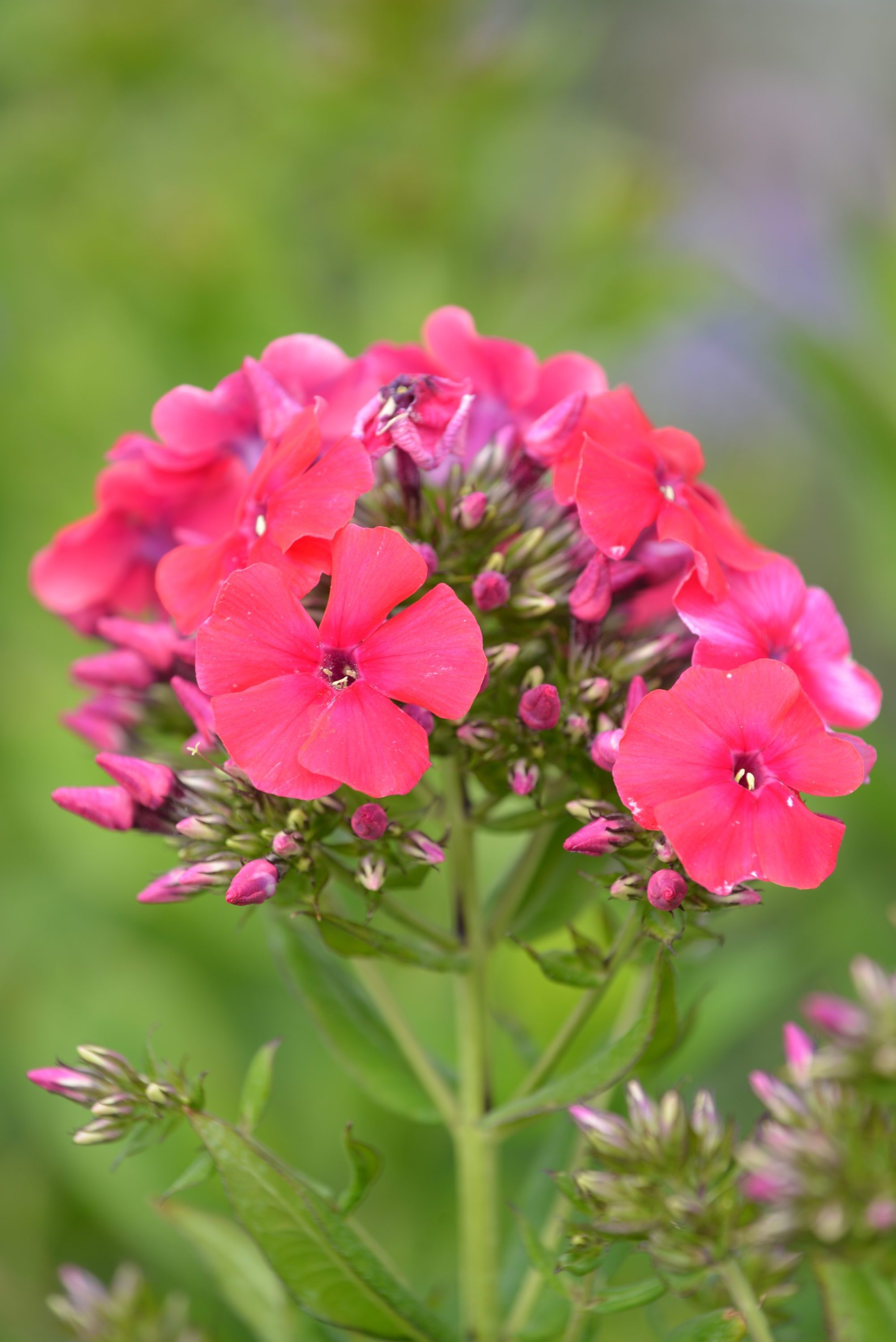
Tall Garden Phlox (Phlox paniculata) comes in many colors from blue, pink, white, purple to bicolored flowers. This knee high, old-fashioned favorite blooms for six weeks or more beginning in late June. ‘Laura’ has beautiful lavender flowers offset with a white eye and reaches 30”-35” tall and 24” wide. At 18” tall and 24” wide, ‘Flame Red’ and it’s siblings in the Flame series provide a long blooming alternative to the taller varieties. Most varieties grow to 2’ to 3’ tall and provide a colorful transition between large background plants and smaller, front of the garden show-offs.
‘Is it too late to plant?’ This is a question we hear a lot this time of year.
The answer: You can plant anytime during the growing season!While planting in the heat of summer poses some challenges, container grown perennials and shrubs are always happy to get their roots into the ground.
The key is water. High temperatures and intense sunlight cause plants to make strong demands on their root system to keep up with transpiration (think of the plant ‘sweating’ to cool off). When the roots have to work hardto keep the plant hydrated, it can’t use that energy for growing roots. Even worse, if the roots can’t find the water it needs the plant suffers.
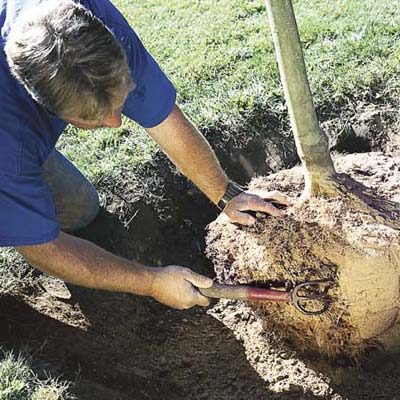
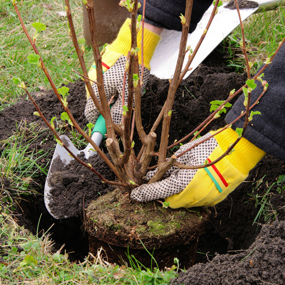
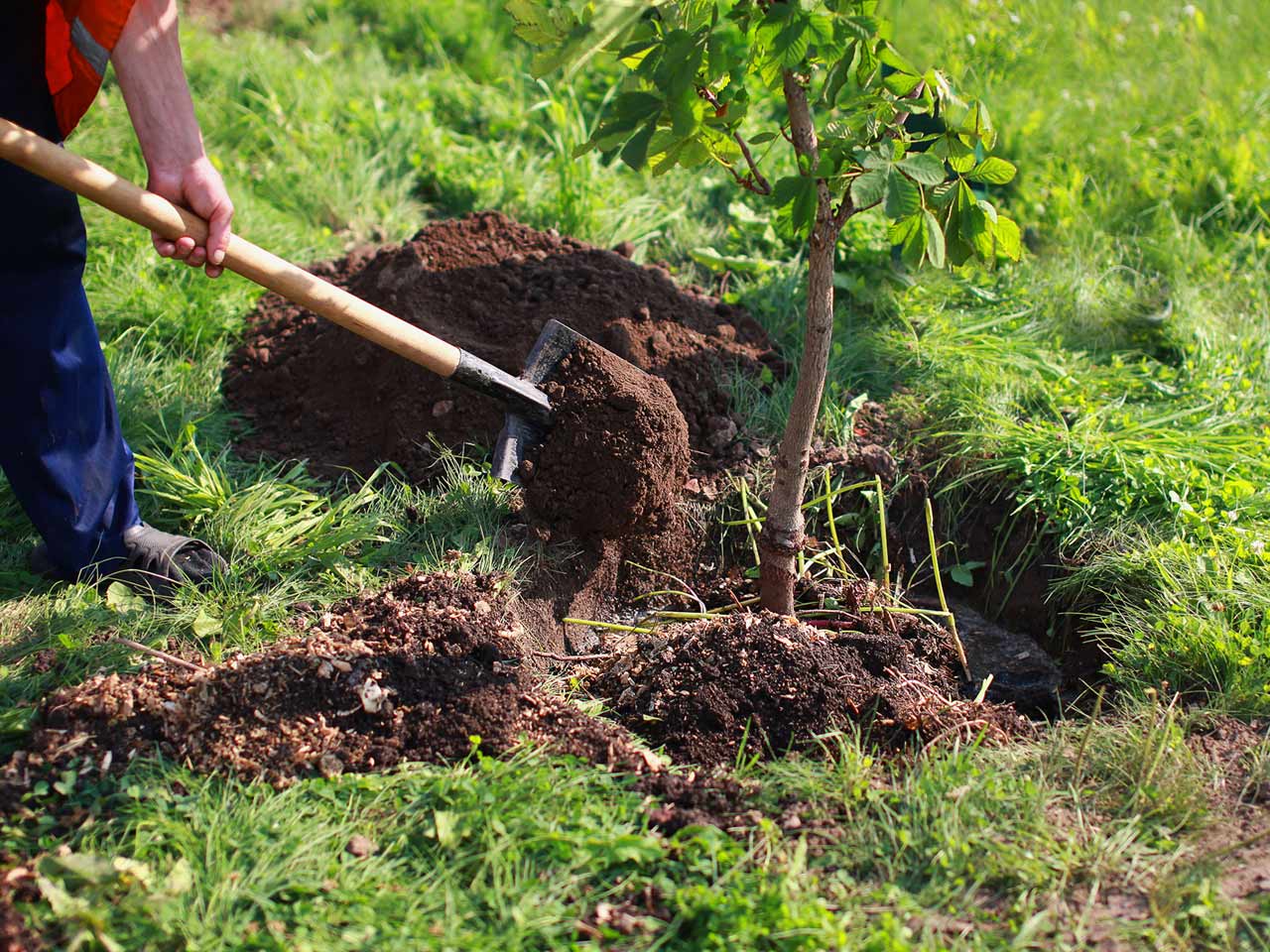
For successful summer planting, make sure your plants are well hydrated before you transplant and plant in the cooler hours of early morning or evening. This reduces the stress of transplanting. Make your hole the same depth and twice as wide as the container your plant came in. Larger plants, shrubs and trees will benefit from pre-moistening the soil. Fill the hole with water and let is seep into the ground completely. While the water is seeping into the surrounding soil, mix 1 part compost with 2 parts of the soil you removed from the hole. Remove your plant from its container and gently loosen the roots. Place the plant with its roots spread out. For perennials, annuals and shrubs, match the same soil level as the container grown plant. Avoid burying it any deeper. For trees, CSU recommends planting with the root ball elevated from the ground, as trees will settle over time. For 1” caliper trees and smaller, plant 1” above the grade. For 2”-4” caliper trees, plant 2” above the soil grade. Add some of the soil/compost mixture if it sits too low. Fill the hole with the remaining soil/compost mixture while gently tamping down to stabilize the plant. Avoid packing the soil tightly. Our goal is to eliminate air pockets while still making it possible for roots and water to penetrate the soil. Top with compost or mulch to retain moisture and water deeply one more time with a root simulator.
Check your plants both morning and evening if it’s been hot and dry, for several weeks. Moisture meters are handy tools to keep an eye on the moisture level surrounding the roots of your new transplants. For larger trees and shrubs, be sure to check in several places around the root ball, as they can dry unevenly while they establish. The long handle of a wooden spoon or a sharpened pencil can be used as a substitute if you prefer not to stick your fingers in the soil. Exposed wood absorbs moisture. Poke your utensil into the soil a few inches and pull it up. Feel the end of the utensil. If it is dry, then water. For plants with smaller root masses, check the soil about 2 inches below the surface for moisture. For larger plants like trees, check 3 to 4 inches into the soil. If dry, give it a deep soaking. Once your plants are settled and appear to be growing well, you can begin to reduce your watering frequency depending on your plants particular needs. Drought tolerant trees, shrubs and perennials will still need a deep soaking at least once per week during the hottest part of their first summer.
Remember to winter water trees, shrubs and perennials, too. Our climate is arid and young plants are the most susceptible during this time. Even established trees will suffer. If we don’t have a decent snowfall for 3-4 weeks then watering will be necessary to maintain your plants health. Failure to winter water is the most common reason for plant loss each spring.
The key is water. High temperatures and intense sunlight cause plants to make strong demands on their root system to keep up with transpiration (think of the plant ‘sweating’ to cool off). When the roots have to work hard to keep the plant hydrated, it can’t use that energy for growing roots. Even worse, if the roots can’t find the water it needs the plant suffers.
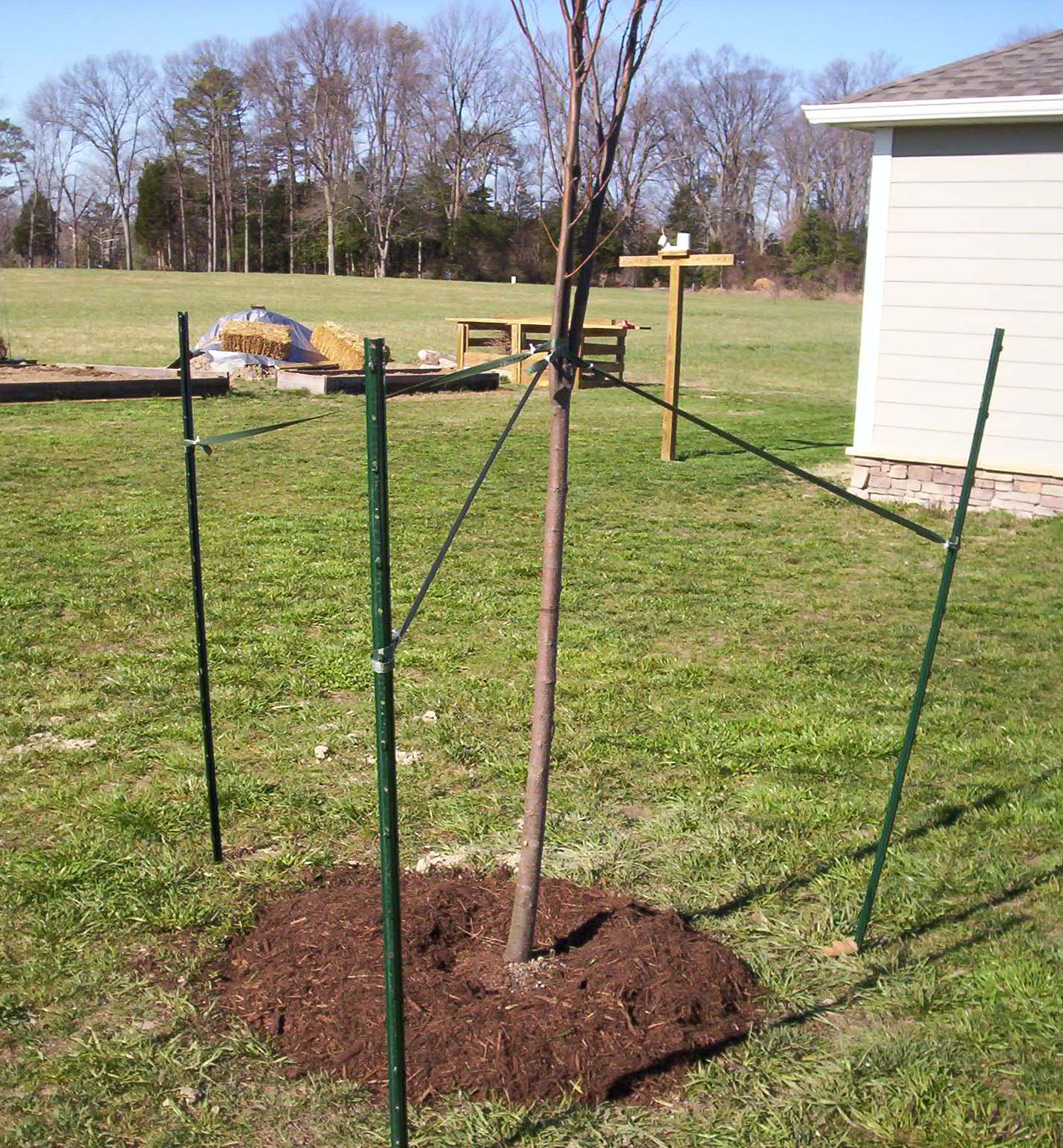
For successful summer planting, make sure your plants are well hydrated before you transplant and plant in the cooler hours of early morning or evening. This reduces the stress of transplanting. Make your hole the same depth and twice as wide as the container your plant came in. Larger plants, shrubs and trees will benefit from pre-moistening the soil. Fill the hole with water and let is seep into the ground completely. While the water is seeping into the surrounding soil, mix 1 part compost with 2 parts of the soil you removed from the hole. Remove your plant from its container and gently loosen the roots. Place the plant with its roots spread out. For perennials, annuals and shrubs, match the same soil level as the container grown plant. Avoid burying it any deeper. For trees, CSU recommends planting with the root ball elevated from the ground, as trees will settle over time. For 1” caliper trees and smaller, plant 1” above the grade. For 2”-4” caliper trees, plant 2” above the soil grade. Add some of the soil/compost mixture if it sits too low. Fill the hole with the remaining soil/compost mixture while gently tamping down to stabilize the plant. Avoid packing the soil tightly. Our goal is to eliminate air pockets while still making it possible for roots and water to penetrate the soil. Top with compost or mulch to retain moisture, but keep the mulch at least 3″ away from tree trunks. Water deeply one more time with a root simulator. There is no need to fertilizer trees and shrubs their first season.
Check your plants both morning and evening if it’s been hot and dry, for several weeks. Moisture meters are handy tools to keep an eye on the moisture level surrounding the roots of your new transplants. For larger trees and shrubs, be sure to check in several places around the root ball, as they can dry unevenly while they establish. The long handle of a wooden spoon or a sharpened pencil can be used as a substitute if you prefer not to stick your fingers in the soil. Exposed wood absorbs moisture. Poke your utensil into the soil a few inches and pull it up. Feel the end of the utensil. If it is dry, then water. For plants with smaller root masses, check the soil about 2 inches below the surface for moisture. For larger plants like trees, check 3 to 4 inches into the soil. If dry, give it a deep soaking. Once your plants are settled and appear to be growing well, you can begin to reduce your watering frequency depending on your plants particular needs. Drought tolerant trees, shrubs and perennials will still need a deep soaking at least once per week during the hottest part of their first summer. Stake trees while they establish.
Remember to winter water trees, shrubs and perennials, too. Our climate is arid and young plants are the most susceptible during this time. Even established trees will suffer. If we don’t have a decent snowfall for 3-4 weeks then watering will be necessary to maintain your plants health. Failure to winter water is the most common reason for plant loss each spring.
We also suggest using tree wrap on young trees to prevent the trunks from splitting during winter. The usual rule of thumb is to wrap at Thanksgiving and remove the wrap at Easter.
Mountain gardeners know that everything is a little bit different up high: light level, flower colors, rate of growth, and additional challenges with overwintering all make mountain gardening an adventure.
Selecting annuals that will tolerate cooler evening temperatures can help to extend that short gardening season and keep the color rolling all summer long. In order to choose wisely, it’s important to know which annuals are very-hardy, hardy, half-hardy, and tender.
You will also need to know your hardiness zone. Here at Echter’s, our lowest evening temps are between -20 and -10, which puts us in Zone 5. Evening temperatures from -30 to -20 are Zone 4, and if you are way, way up, you might be Zone 3 (-40 to -30).
Very-Hardy annuals are unfazed by early frosts and night temperatures of 25 degrees. These plants will continue to grow at the same rate in cool weather and they will flower on their normal schedule. These are the first annuals you will see out on the benches here at Echter’s.
Hardy annuals can take night temperatures of 28 degrees, but may experience slower growth and flowering. In the big picture, that’s not a problem — just a delay. Waiting a week or two to plant this group will prevent freezing and let them get started.
Half-Hardy annuals can tolerate cool temperatures and cool soil, but are damaged by frost. They require a longer period of growth, so they should be started indoors 4-8 weeks before the last frost date to give them extra time to mature before being planted outside. They can tolerate periods of cold damp weather, but are frost tender and shouldn’t be transplanted until all danger of frost has passed.
Tender annuals are native to tropical regions, are very sensitive to cold soil temperatures, and are easily damaged by frost. In the Denver Metro area, tender annuals would be planted around Mother’s Day, but at higher elevations they should be planted after all danger of frost has passed in your particular zone. This may be well into June!
Annuals that are started indoors or purchased from greenhouses are considered tender and should be “hardened” or acclimated to outdoor growing conditions before transplanting them into the garden. To do this, place plants in a shady protected site, then gradually expose them to longer periods of direct sun.
Having a beautiful garden in the mountains IS possible! With a little knowledge (know your zone!), planning, and careful plant selection, you can have the high-country garden of your dreams!
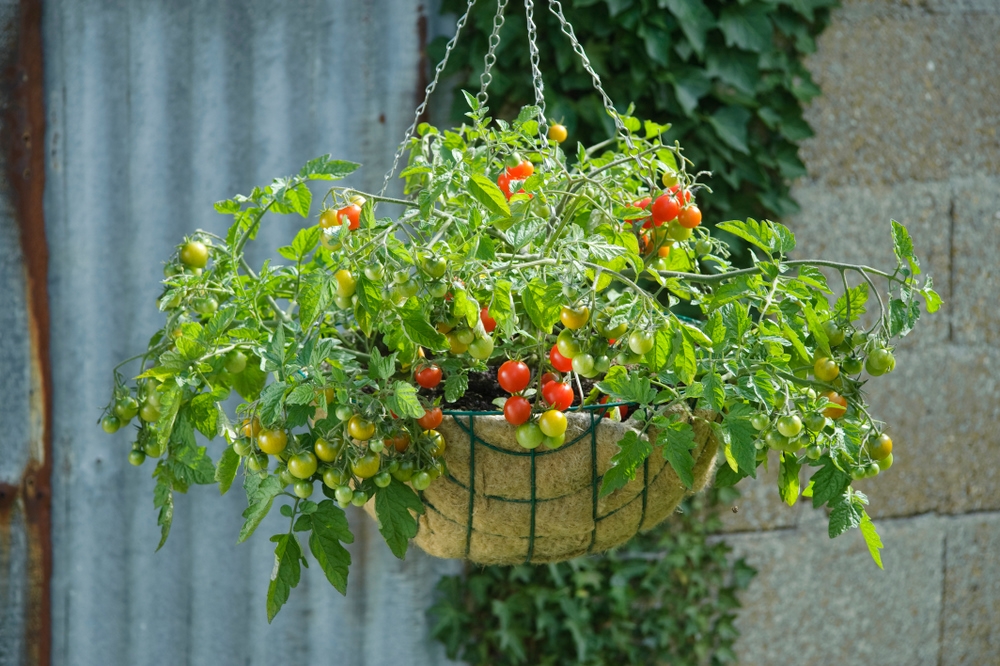
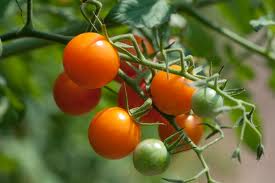
Picking the “best” cherry tomato is an impossible task, but we can make some recommendations based on plant size, fruit color, and flavor. The first consideration is size of the plant—how much space do you have available for each tomato plant? An indeterminate variety can become an enormous, sprawling vine of 6’ or more. A determinate Tumbling Tom or semi-determinate Lizzano can spill gracefully from a hanging basket or off the side of a raised bed. If you need a very compact plant, try a red or yellow Sweet ‘N’ Neat, which will stay under 16” high. They do best when they can trail a bit, though. They are so short that the fruit can hit the ground in a traditional planting.
PT3
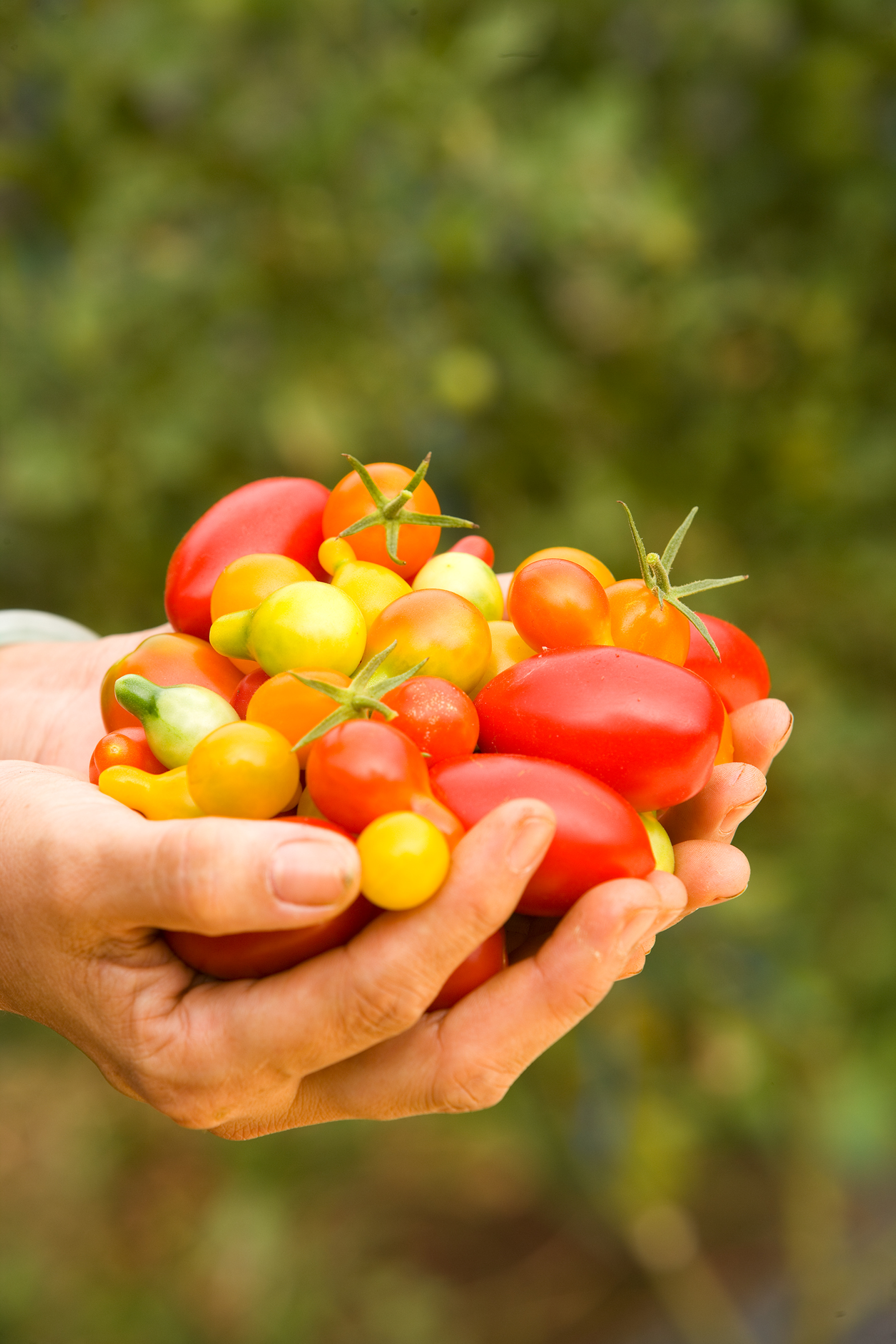
Fruit color is a fun factor for many tomato lovers. Combining yellow tomatoes with purple basil is a colorful twist on traditional Caprese salad. Cherry tomatoes come in red, orange, yellow, purple, brown, and black. Fruit can be anywhere from traditional grape shapes to 1” orbs or pears. Not –red varieties include Sunsugar, SunGold, Yellow Pear, Black Cherry, Brown Cherry, Indigo Rose, and Sweet N Neat Yellow.
Cherry tomato flavor is generally quite sweet in comparison to other types of tomatoes, which makes them great for snacking and popular with kids. If you are overwhelmed by your cherry tomatoes (which can happen in August) consider a tomato exchange with an equally overloaded friend or neighbor. You may not have fewer tomatoes at the end, but you’re likely to have a mix of varieties and flavors.
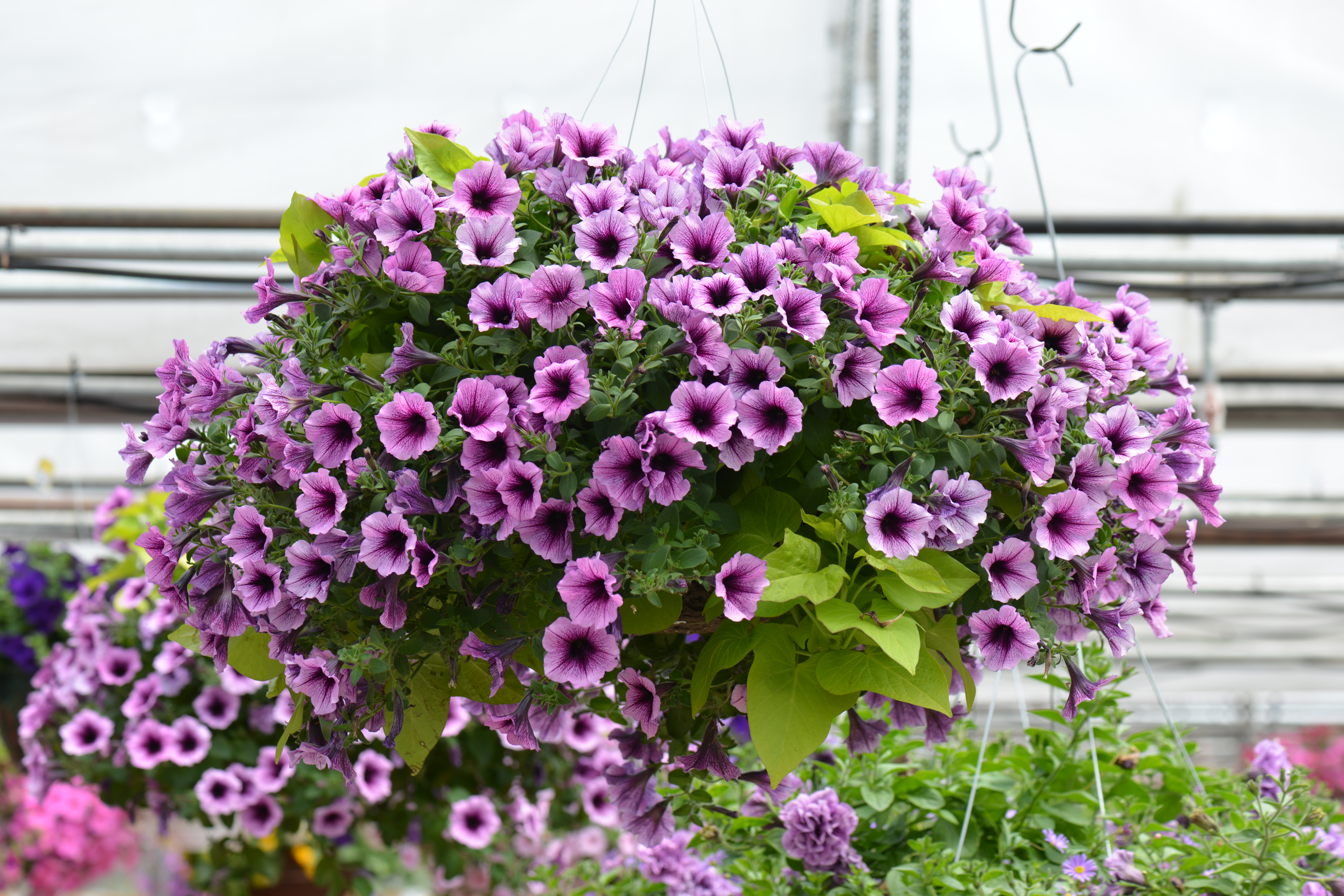
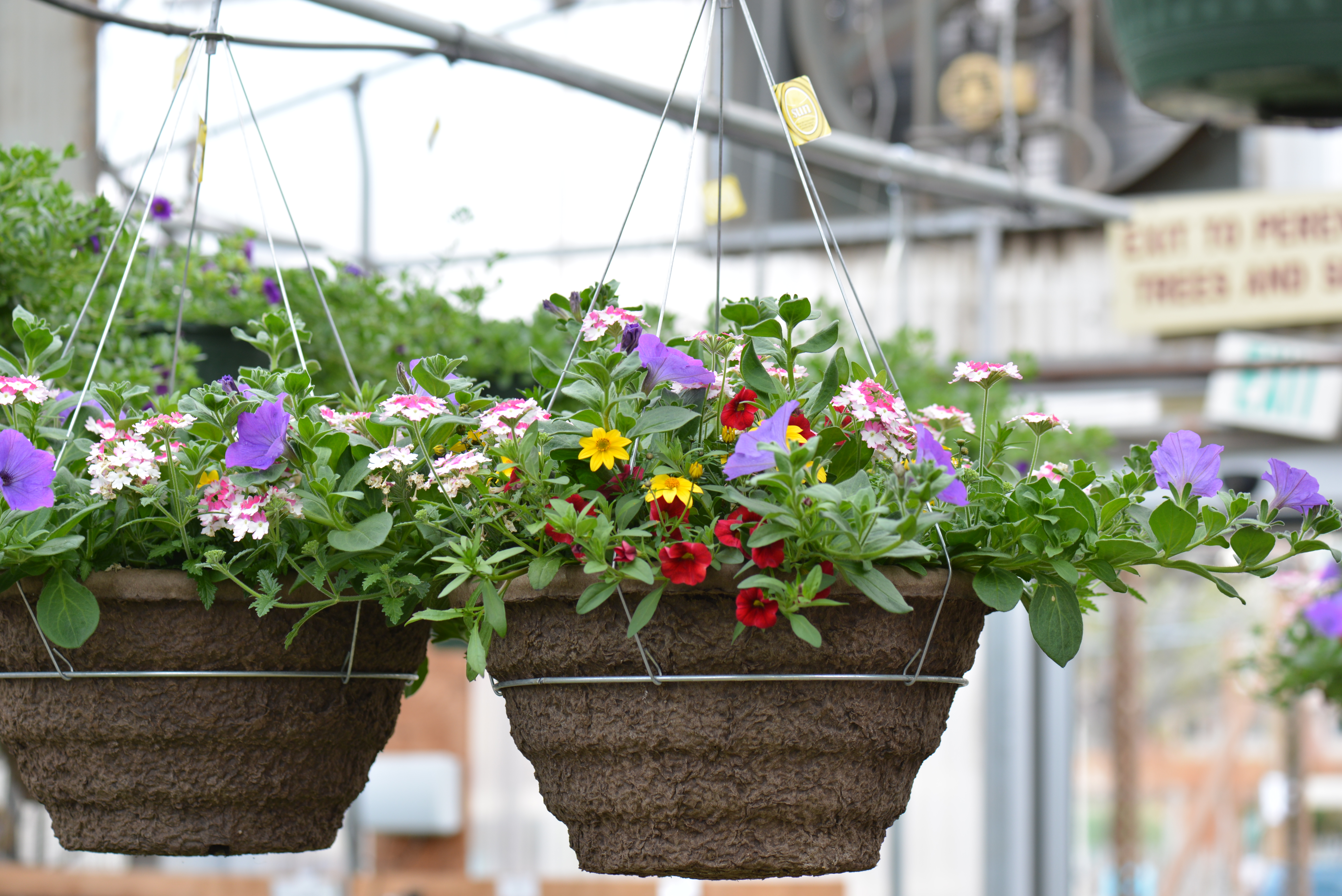
Hanging baskets can be a quick and easy way to add color and style to a patio or porch, but it’s important to select the right plants for the spot you have chosen. A basket of petunias is never going to be happy in a shady nook, and tuberous begonias will crisp up in the afternoon sun. When choosing plants, you also want to consider how easy it will be to water. If watering the basket is going to be a challenge, you can help compensate by choosing plants that can take dry conditions, or choose larger pots or self-watering pots and soil amendments that will help you maintain moisture around the root zone.
Available sunlight is the starting point for all plant selection, so it’s important to determine the number of hours your plants will receive in the location you plan to plant. Do you have a northern exposure or heavy shade from a tree? It doesn’t matter if “it’s really very bright!”—you will have poor performance from sun lovers like petunias. Our visual perception of light isn’t necessarily an accurate measurement of available light to the plant.
Full sun is 6+ hours of direct sun that will shine on the foliage of your plants, each day. These are going to generally be southern, western, or south-western sides of the house, and not tucked back under an awning. If it’s a spot you want to avoid in the middle of the afternoon, odds are good that it’s the perfect spot for a basket of upright geraniums or calibrachoa.
Easy plants for sunny baskets include petunias, scaevola, calibrachoa, trailing portulaca, lantana, trailing verbena, and bidens. A blend of petunias, verbena, and bidens will provide a mix of both colors and textures with long-blooming flower power. An easy care combo for full sun could include a salmon geranium, 3 ‘Bombay Blue’ scaevolas, and 3 light-yellow calibrachoas.
Part-Sun is less than 6 hours of sun per day, which typically amounts to morning sun only. These are usually eastern exposures or an area that would have all day sun, if it weren’t for that gorgeous maple planted two owners ago. An area with dappled shade for the full day can be counted as part-sun for planting purposes.
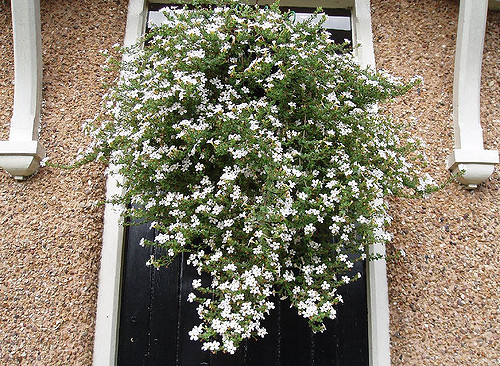
Easy plants for morning sun include New Guinea impatiens, torenia, many begonias, ivy geraniums, and bacopa. Bacopa can sometimes stop blooming at the peak heat of the summer, but the foliage remains as a lovely cascade and will bloom again once the temperatures cool a bit in late summer and fall. Pansies can also be included in this group, but like bacopa (and most of us!), high temperatures induce a resting phase. A quick and lovely part-sun combo might include a few yellow or salmon ‘Mocca Mix’ begonias, a few ‘Gold n Pearls’ bacopa, and a 4-pack of deep blue torenia.
Full Shade is quite literally no direct sun in a day. Common shade zones are under a porch or patio awning, under dense tree shade, or in the shade of buildings.
An easy basket of shade-loving plants could include pansies, compact or trailing coleus, bacopa, begonias, fuchsia, and traditional impatiens. For a quick combo, try 3 Illumination begonias and 3 white bacopas.
With all basket plantings, it is important to monitor the growth of your plants so that you don’t end up with one vigorous plant taking over the entire pot (I’m looking at you, trailing petunias!). Mild, selective pinching and pruning throughout the summer will encourage new growth from the top of the basket and help keep your baskets looking full and fresh.
A word about feeding your plants – Yes! We’re asking our annuals to entertain us with beautiful blooms all summer long, through any sort of weather or challenge that comes their way. They can’t do that without regular fertilization. Try Jack’s Classic Blossom Booster for the majority of your flowering plants, outdoors and indoors. Petunias prefer a special diet, so try Jack’s Classic Petunia Feed. Follow the instructions on any fertilizer you select. Enjoy!
Your patio bakes like the surface of the sun, you say? We can work with that! There are a number of annuals that are simply built and bred with extra heat tolerance, and it pays to know who’s who BEFORE July hits and your plants shrivel in protest. Try these heat-loving favorites from the start and by the time the heat settles in, you will have gorgeous plants that are ready to fight back.
Petunia Sanguna Radiant Rose
Petunia
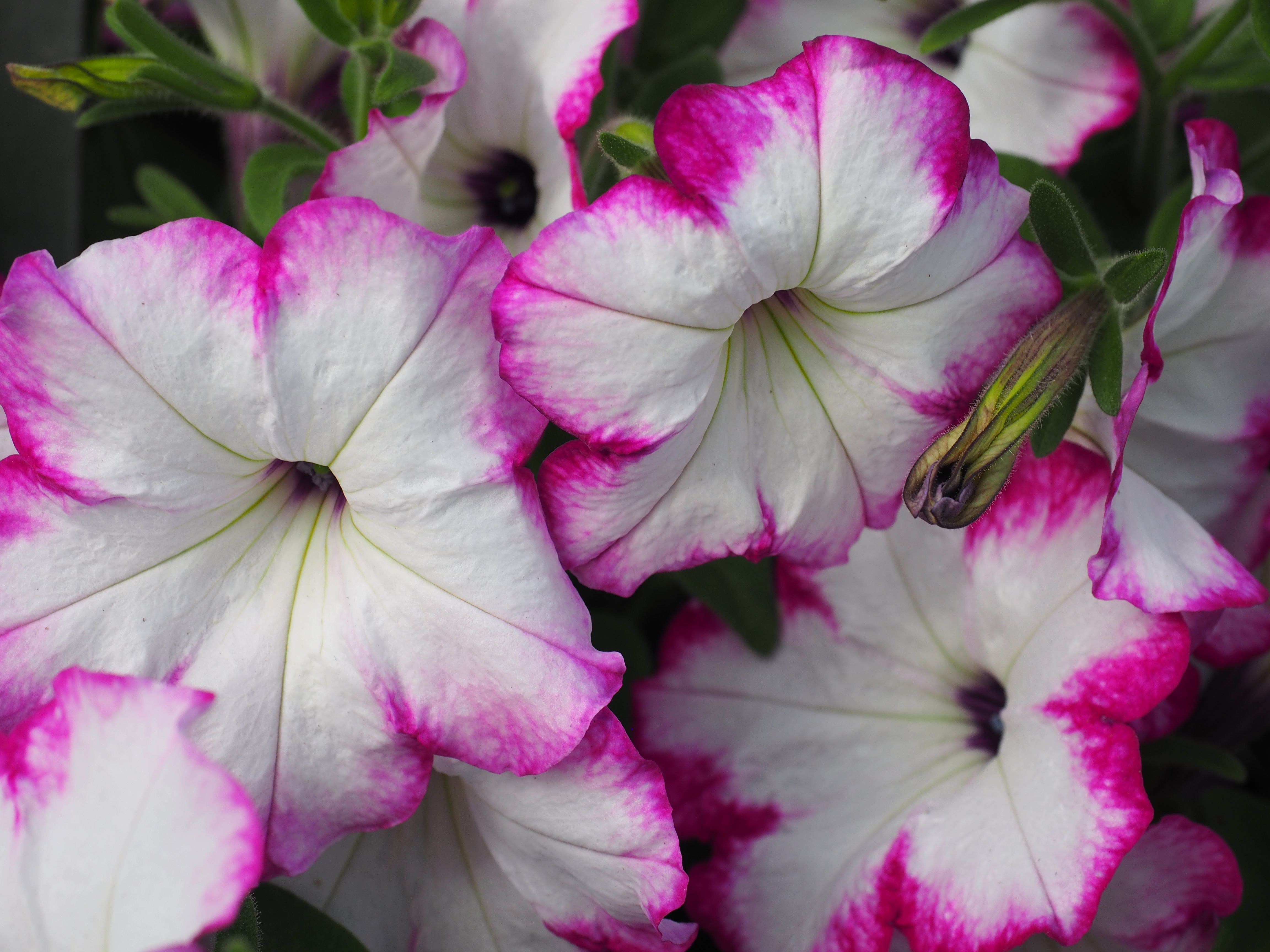
The ultimate annual for high-impact color! Petunias come in almost every color and there is a petunia for every need- mounding, trailing, or spreading. Old-school grandiflora plants have blossoms that can reach a diameter of 4” and newer choices include amazing color combinations, often on the same plant. Other innovations include varieties that do not require deadheading and shades that fade into a blend of colors (such as Indian Summer, which shows off yellow, peach, and orange flowers as the blossoms age).
Zinnia
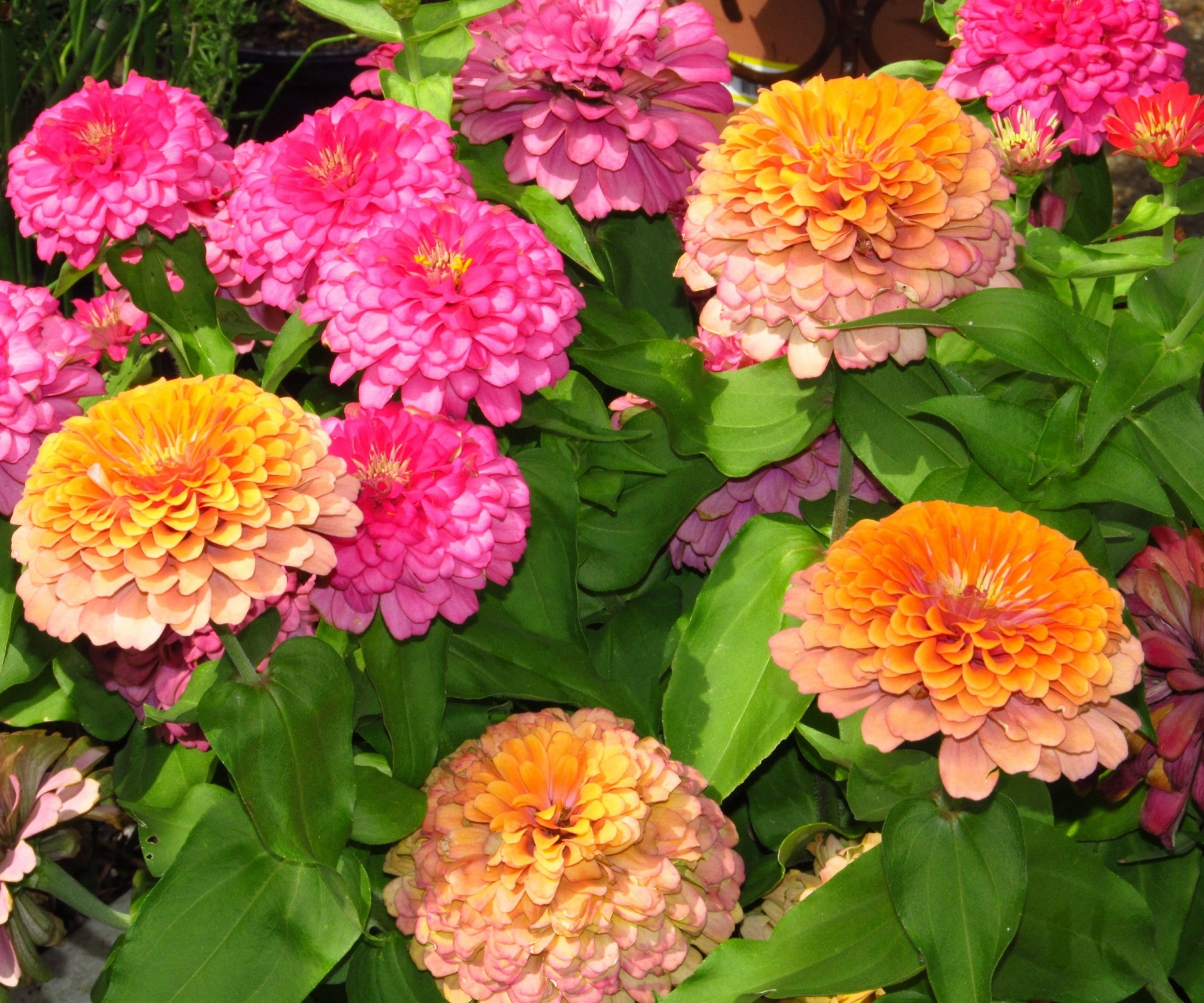
Every garden should include some zinnias, whether tall or small, single or double. Zinnias are available in red, orange, yellow, pink, salmon, white, and magenta with heights ranging from 8” to 3’. Taller plants will provide cut flowers all summer! Both showy and durable, zinnias are an outstanding choice from seeds or starts.
Geranium
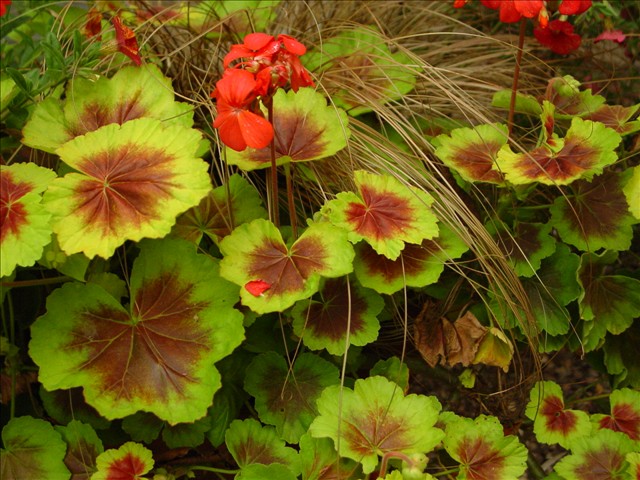
Like petunias, geraniums can be traditional or modern. A classic red geranium in a terracotta pot will always be in style, but why not try a salmon variety with lime-green leaves? Another new introduction pairs crisp white and Kelly green leaves with scarlet petals, and still others have a blend of shades in each flower. The new interspecific varieties are bred for even more heat tolerance and the intense colors are eye-catching. A little bit old and a little bit new, geraniums have something for everyone… and they are easy to propagate to bring in for the winter. Marigold
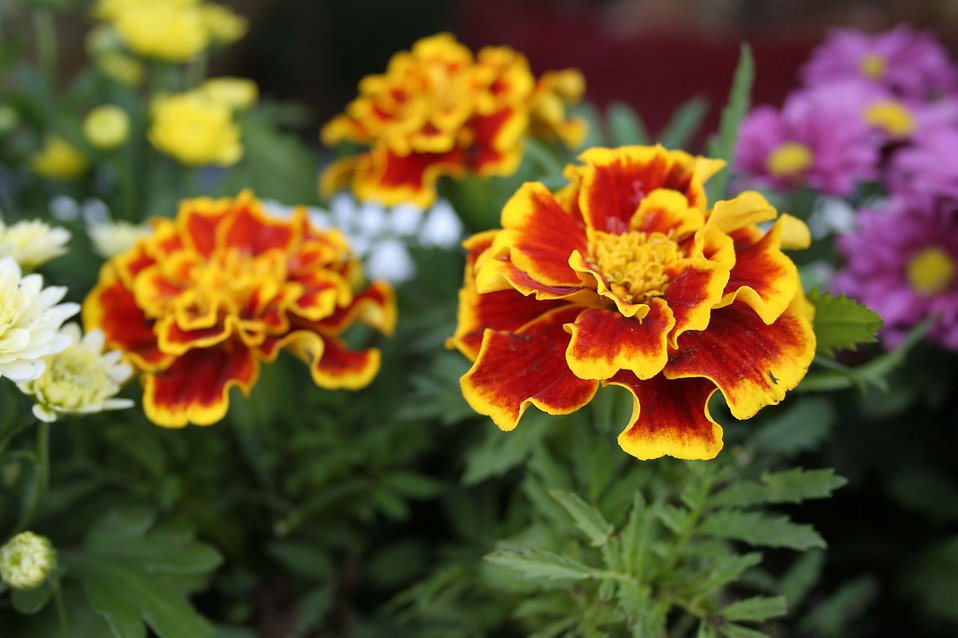
Just about everyone has grown a marigold from seed at some point, and it’s that ease that makes them so appealing. Diminutive dwarf varieties are great in the front of a bed and the taller French varieties are a solid choice for containers and vegetable gardens. For serious impact, try the large-flowering African types- plants can reach 2.5” and blossoms up to 5” across. Bees love marigolds, so expect to share your flowers. If not deadheaded regularly, marigolds are likely to re-seed themselves and become a permanent part of the landscape (for better or worse!)
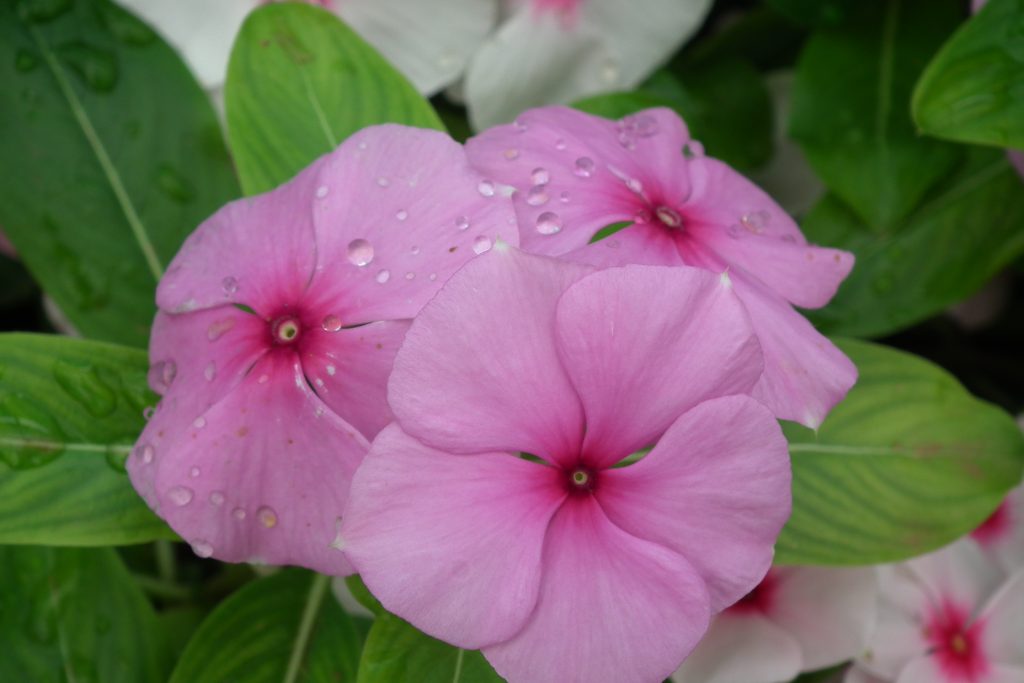
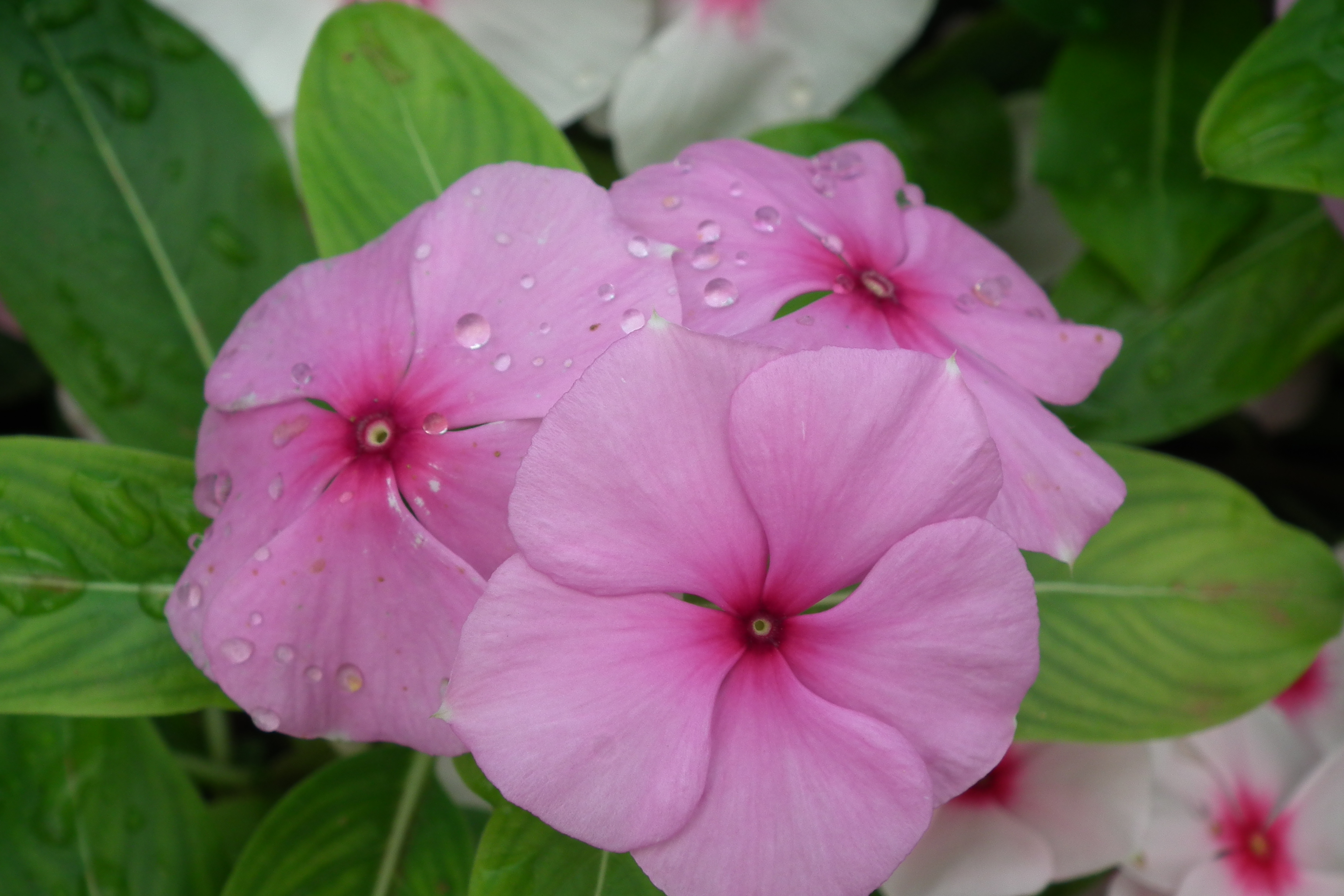
Periwinkle
Also known as vinca and available in white, pink, coral, red, magenta, and now deep purple. Great combination or filler plant and would do well in a border or container.
OLYMPUS DIGITAL CAMERA
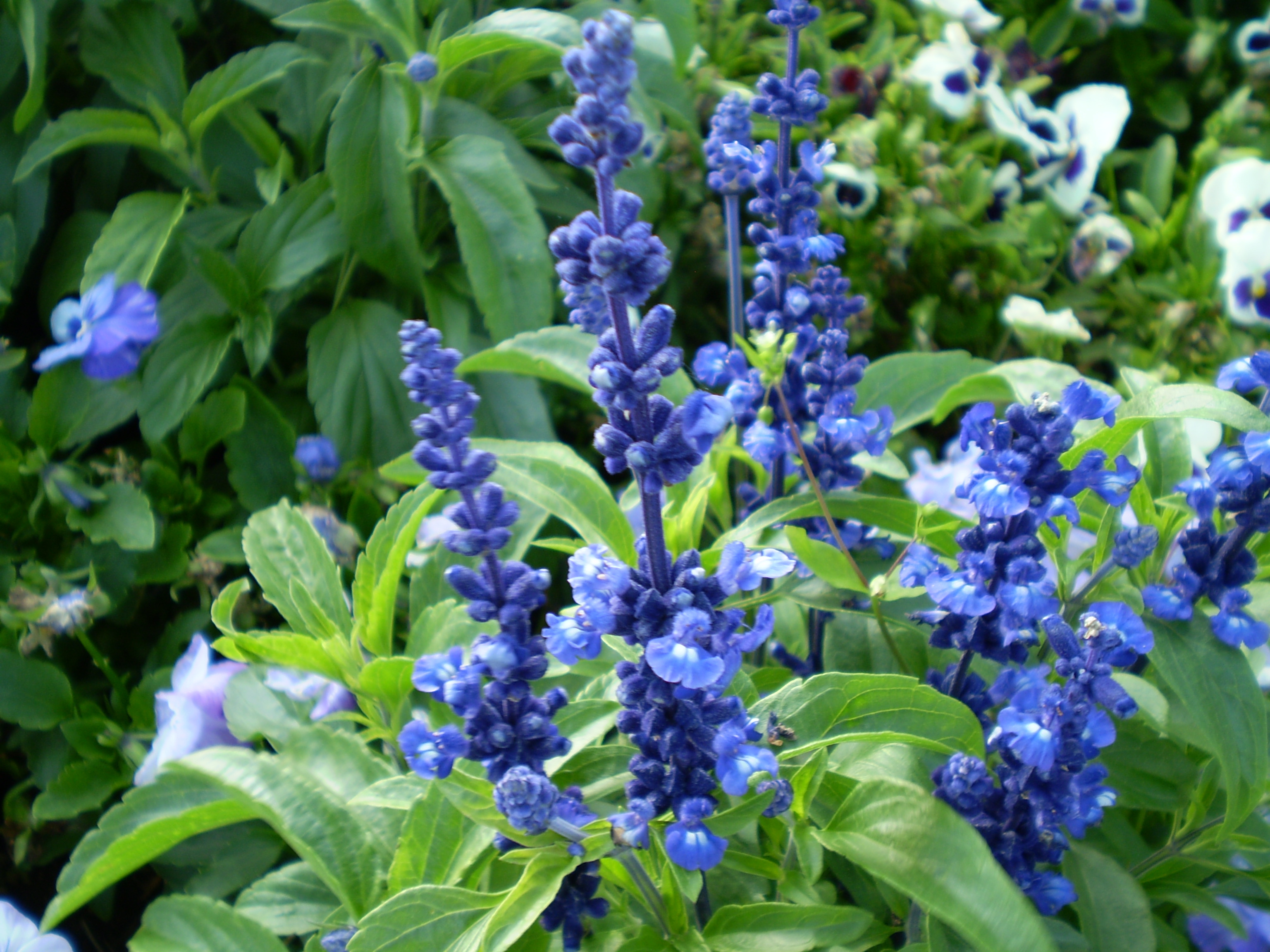
Salvia
Annual salvias come in red, coral, white, lavender, deep purple, deep blue, and red/white. Some are tall (up to 3’!) and wispy, while others are more compact with a solid block of flower color. Depending on height and the desired look , salvias can function as either thrillers or fillers in a combination planting.
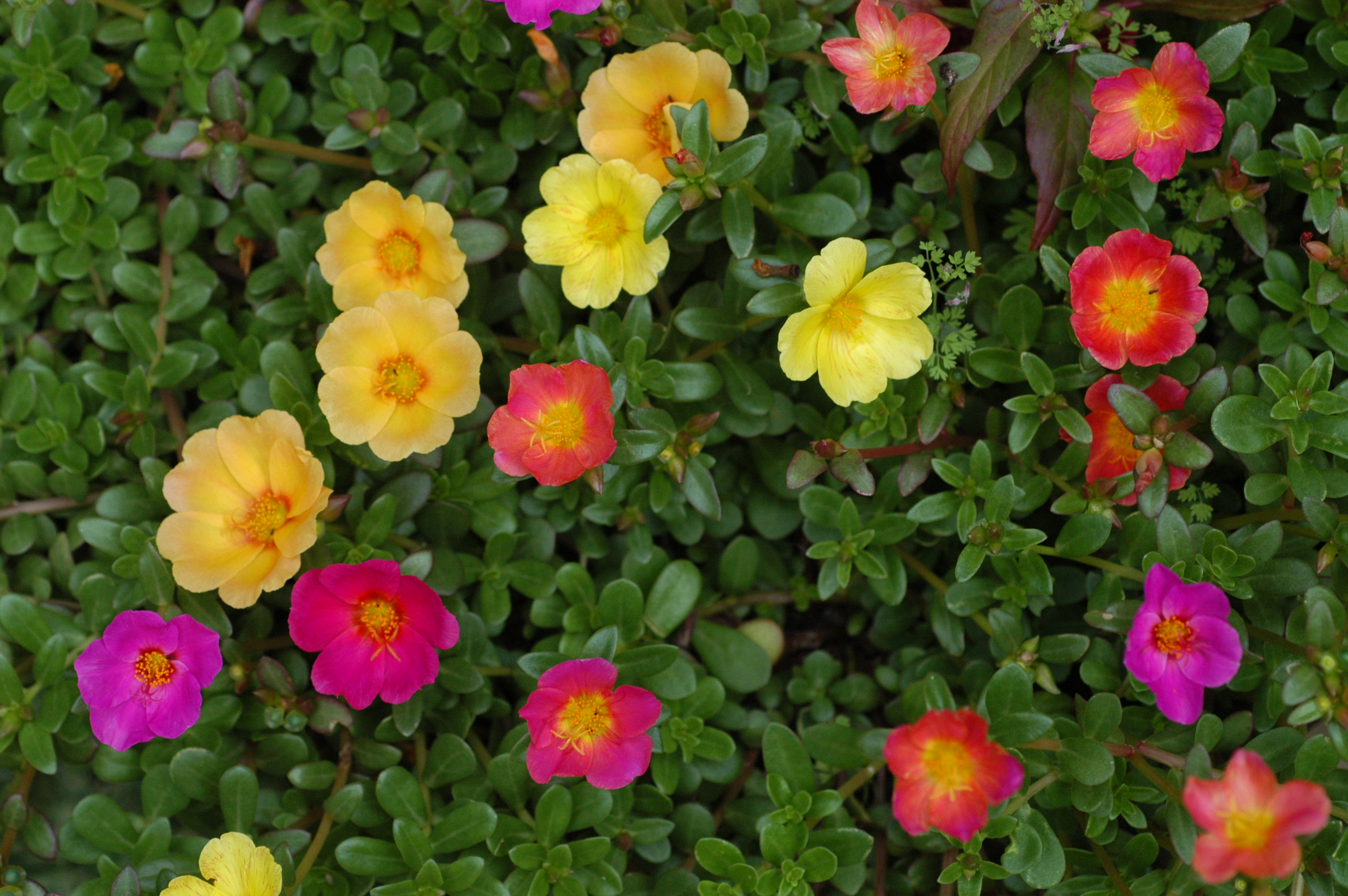
Portulaca
Portulaca can be upright or trailing and thrive in hot, dry spots. Flowers are 1-2” across and available in brilliant orange, yellow, magenta, cherry red, salmon, or white. Upright varieties are prolific self-seeders and may come back on their own each year. The trailing portulaca are less likely to re-seed and are outstanding in baskets or containers.
Cosmos
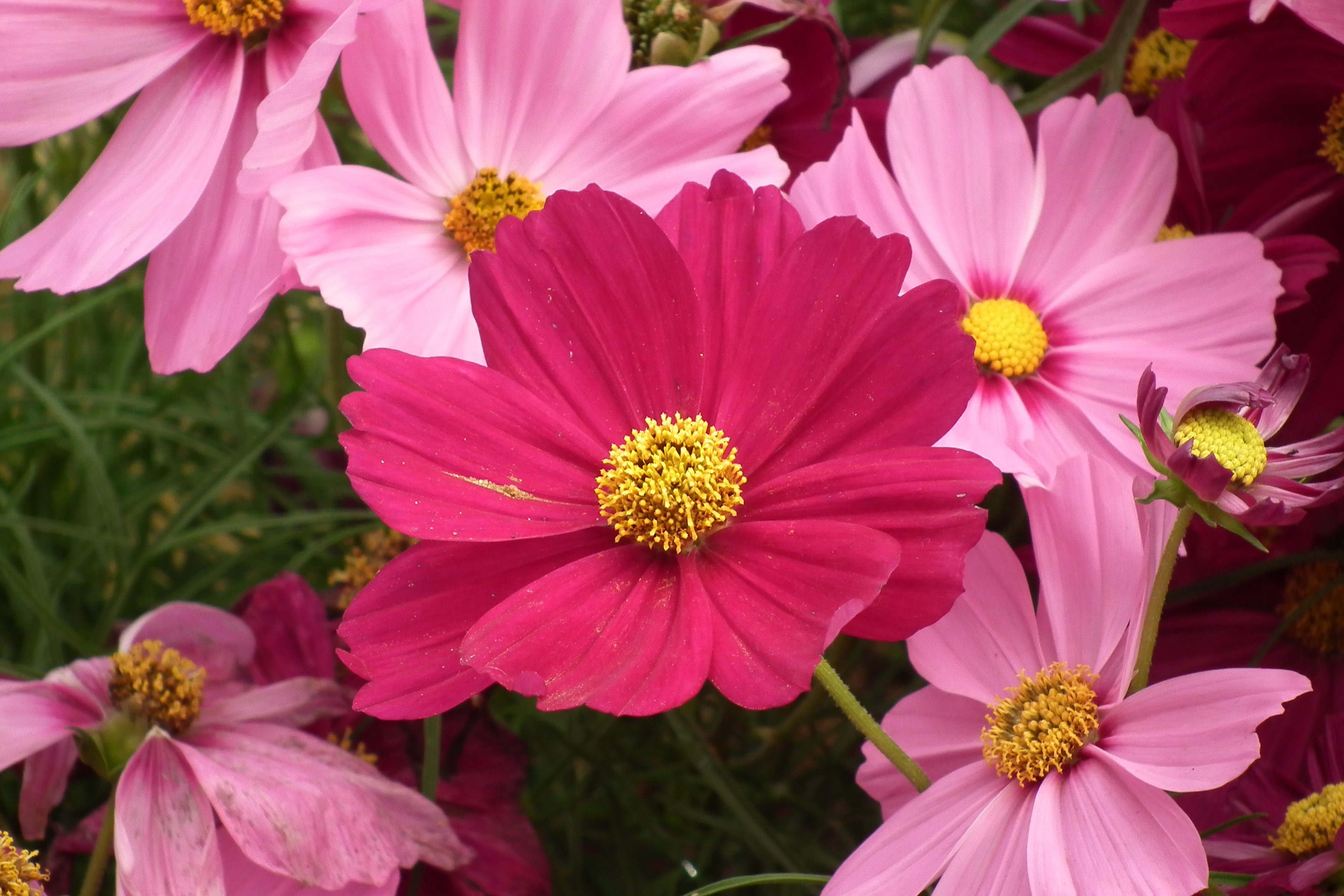
Available in white, pink, cerise, and chocolate, cosmos are a cheery addition to any sunny garden. They will self-seed aggressively and form maintenance-free meadows if left alone.
Calibrachoa
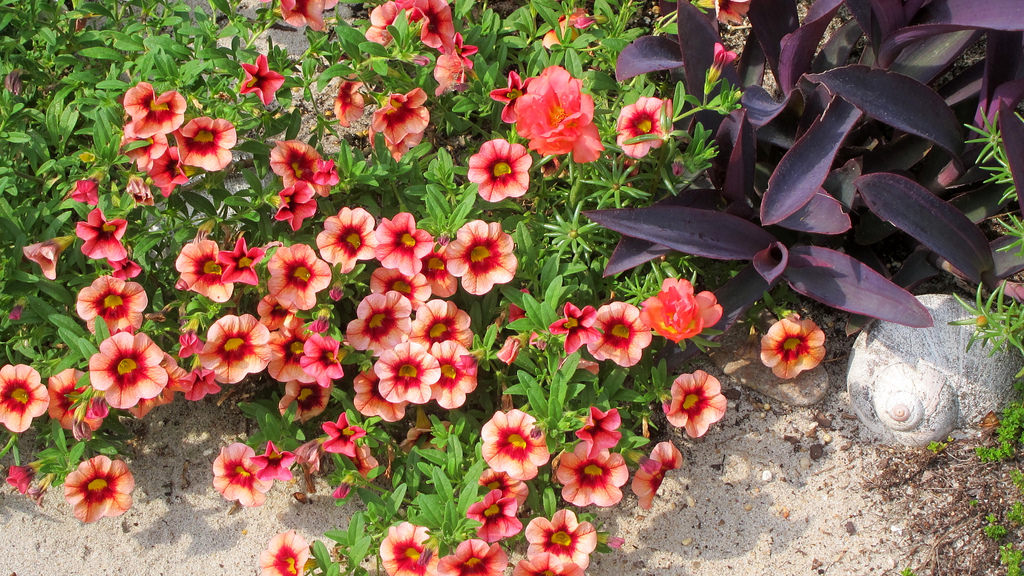
These are workhorse plants with massive flower power. Calibrachoas come in every color and unlike their petunia cousins, need NO deadheading at all. They are outstanding in containers and baskets and can be pruned back to create a bushy effect (rather than a cascade of color). They are an easy filler/spiller and can be tucked in almost anywhere when small. A rapid growth habit makes them knot together if planted in packs, so calis are typically sold as individual plants. This is balanced out by the size that one plant can achieve (fewer plants are needed).
Snapdragon
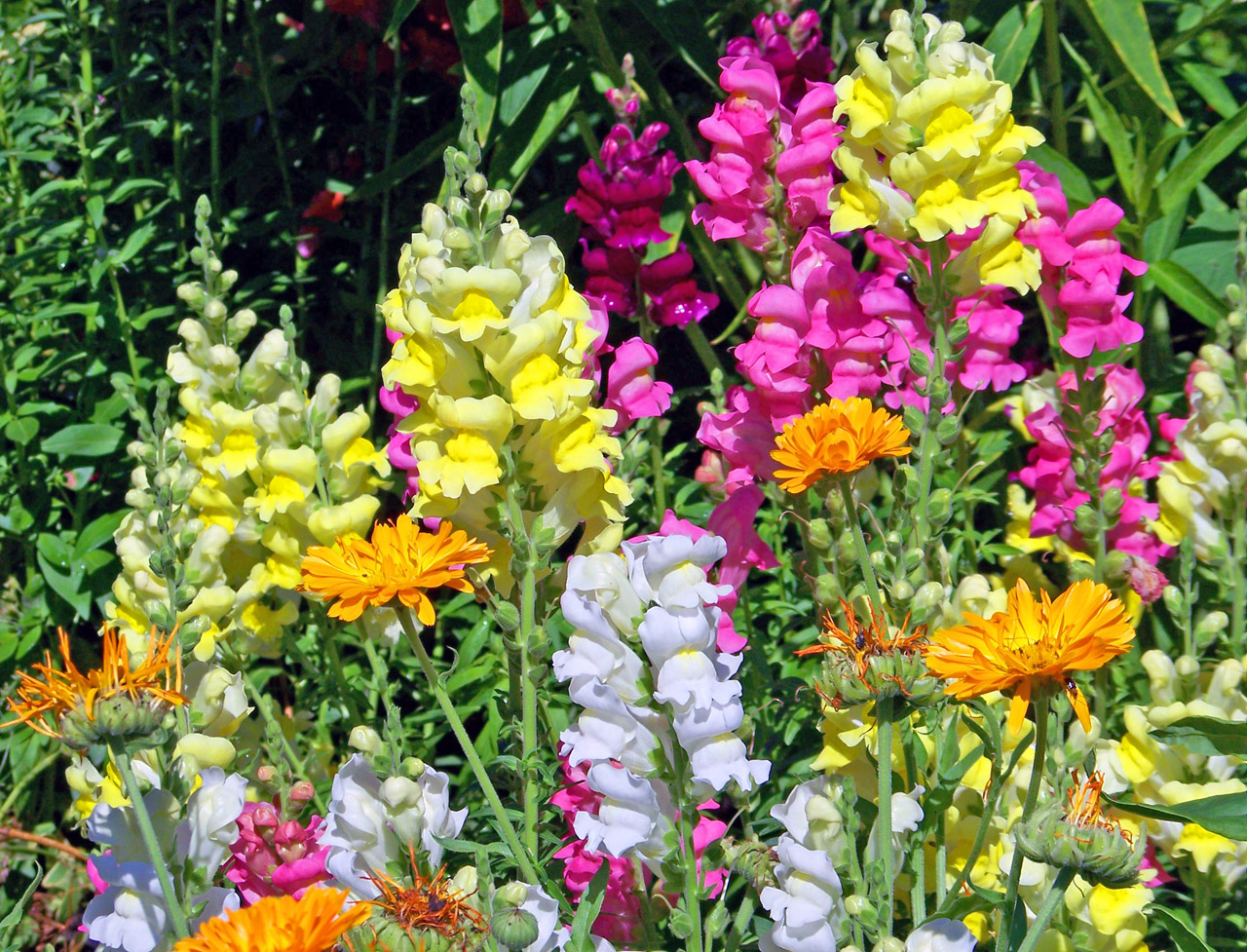
A traditional favorite of children and the young-at-heart—who doesn’t love making the blossoms “snap”? This family includes both tall and small varieties, which makes snapdragons useful as either a thriller or filler. A row of ‘Rockets’ at the back of a bed will provide colorful height for the whole summer, and short-stuff ‘Montego’ plants are excellent for a more subtle effect. Snaps readily reseed themselves, so be prepared for volunteers in the spring (or be aggressive about cutting off spent flower spikes). Available in red, orange, yellow, white, pink, magenta, and burgundy.
Coleus
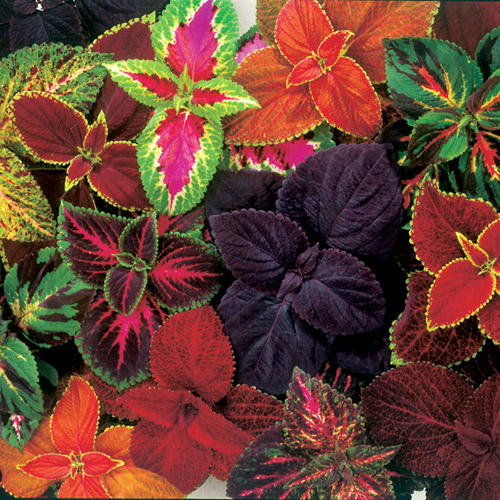
Coleus is the amazing chameleon of the shady garden. It comes in a riot of colors, shapes, and textures and is equally at home in formal or unstructured areas. Large-leaf coleus such as the Kong series provide a sizable focal point, and the lacy Under The Sea series makes an exotic statement by itself. Coleus can even be a shady trailer (Meandering Linda) or tall backdrop. Try the brighter colors for the darkest areas to get a pop of color and the darker colors where you can see them close-up.
Tuberous begonia
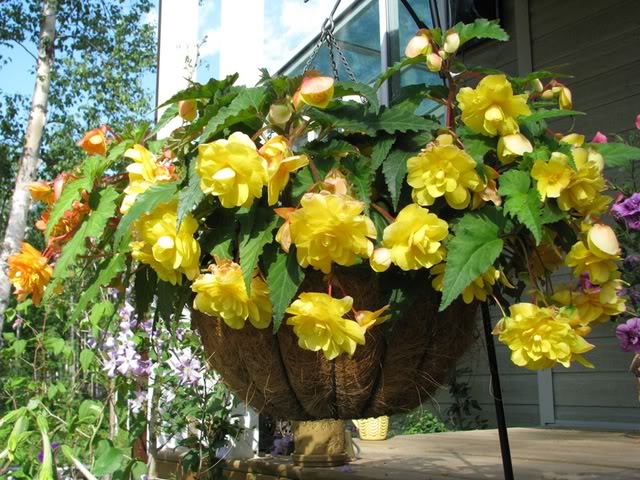
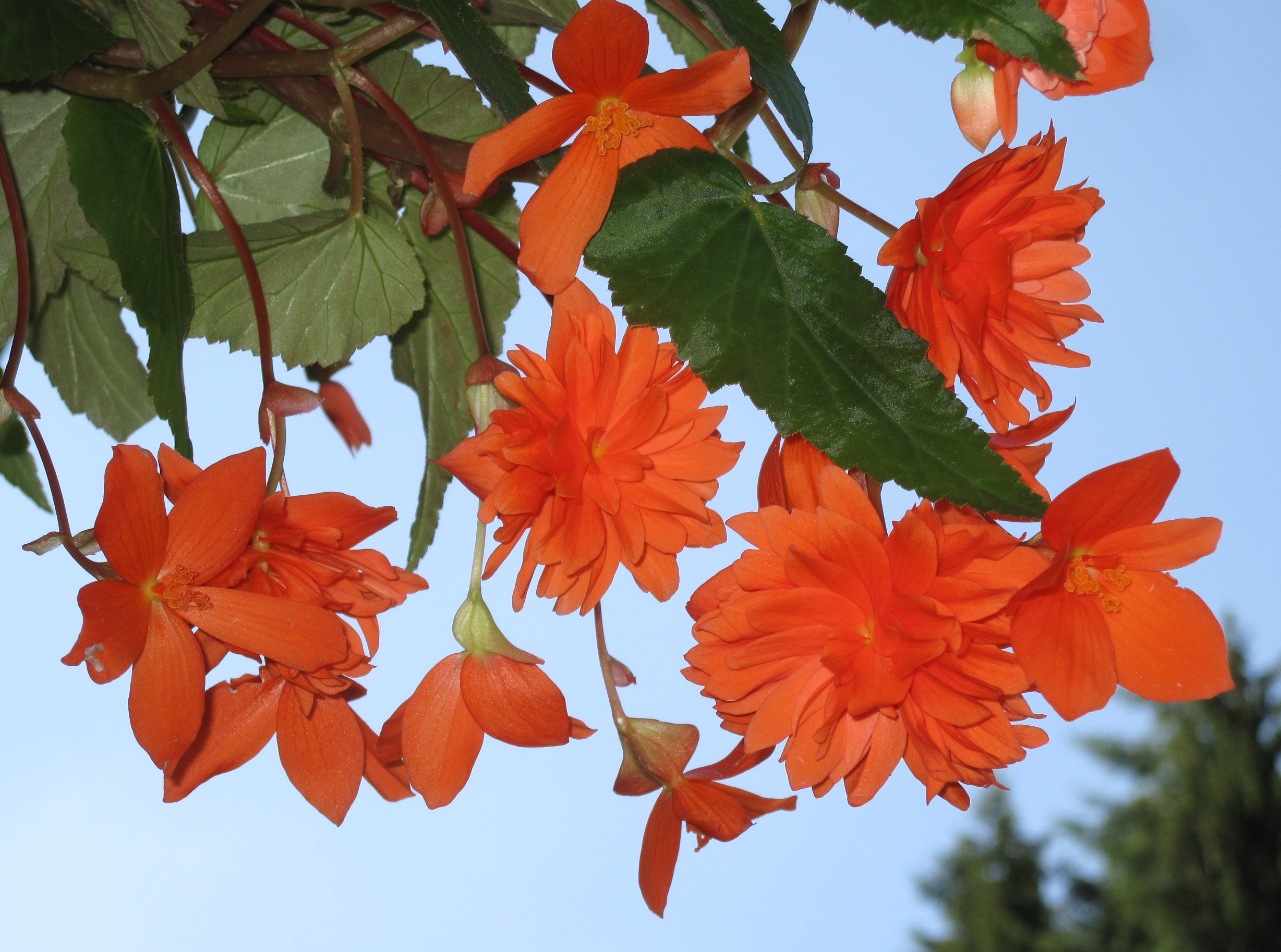
Show offs abound in this group! There is simply nothing subtle about these sizable plants with hot red, orange, yellow, salmon, white, or pink flowers. Leaves can be either green or deep purple, and several of the varieties are either trailing or pendulous, (the Illuminations series has 2” blossoms hanging like fruit). These plants are at their best in containers or hanging baskets.
Wax Begonia
Wax begonias are a steady mainstay of shaded beds, but they can also handle sun. Flower colors are red, pink, or white and leaves can be either green or chocolate. Plants are uniformly compact and bushy with blooms all summer long. Truly a set-it-and–forget-it plant.
Fuchsia
Nobody has ever accused a fuchsia of being drab! This family includes both upright and trailing varieties that can be used in beds, baskets, and containers. Flowers are typically bicolor (some pastels can give a white-on-white impression from afar). Fuchsia are outstanding for attracting hummingbirds and the blossoms are characteristically a teardrop shape with contrasting sepals. Petals are silken in appearance and may be red, pink, white, orange, or lavender. Classic and lovely, fuchsias are a worthy addition to any shady nook.
New Guinea Impatiens
These burly impatiens have larger leaves and flowers than their more delicate cousins. New Guineas are also resistant to Impatiens Downy Mildew, which makes them a perfect candidate to use in place of traditional impatiens. Unlike traditional impatiens, New Guineas are content with morning sun and will get to be a blocky 1’ x 1’ per plant—a great size for containers and beds. Try them anywhere you would have planted an old-school impatiens for an updated, floriferous burst of bright color.
Torenia
Torenias are perfect for shady baskets, beds, or containers. Plants will trail if given an opportunity and mound in a flat area. Blossoms have a characteristic “wishbone” crossing of stamens and can be found in lavender, blue, magenta, white, and yellow. They are an excellent “filler” plant and do well in combination plantings.
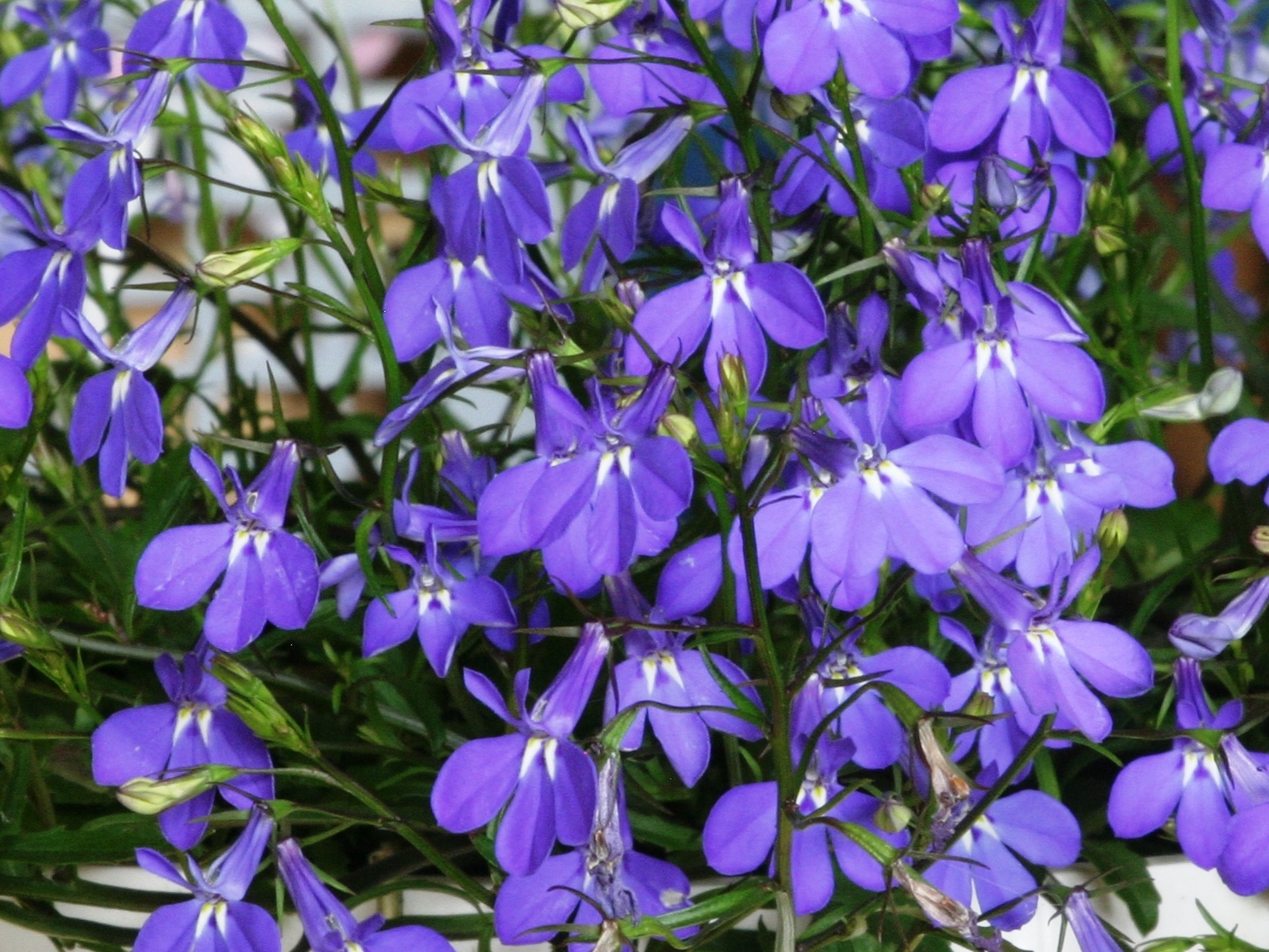
Lobelia
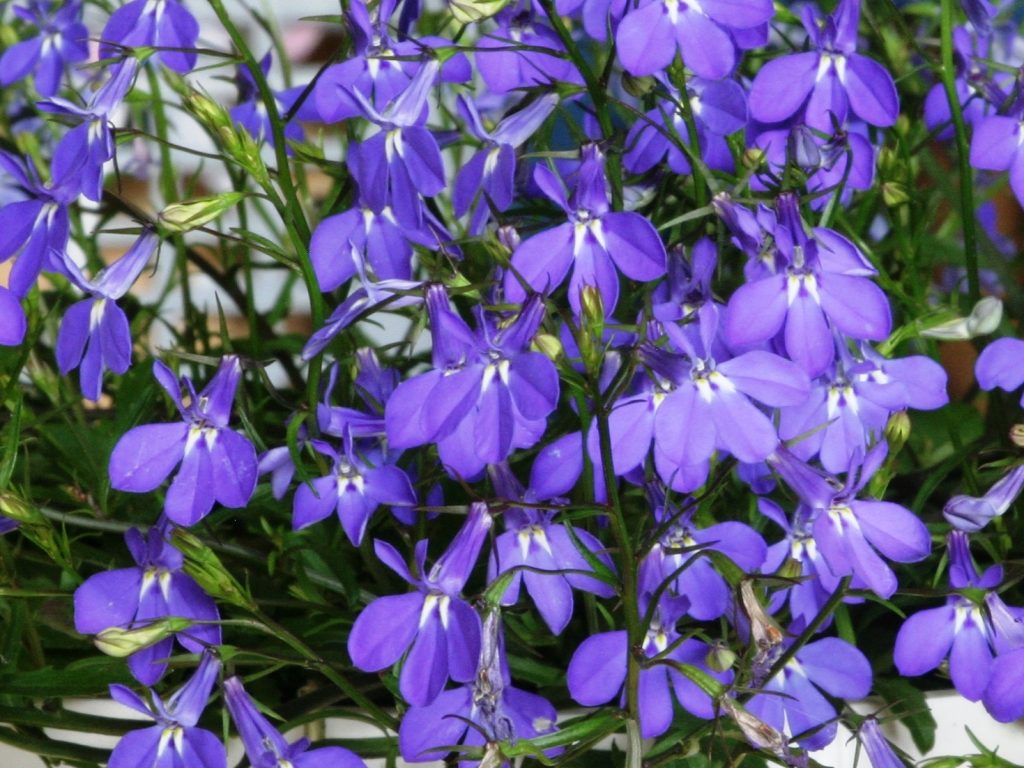
Lobelia is often at its best in the “shoulder seasons” of spring and early fall, though more heat-tolerant varieties appear every year. Colors range from sky blue to cobalt, with white, pink, and magenta options as well. Lobelias are available as an upright “bedder” plant and as a fluffy , trailing cloud of blues. Some newer varieties will take full sun, but most are happiest in part to full shade to prolong the bloom season. Flowers are delicate and attract butterflies.
Pansy
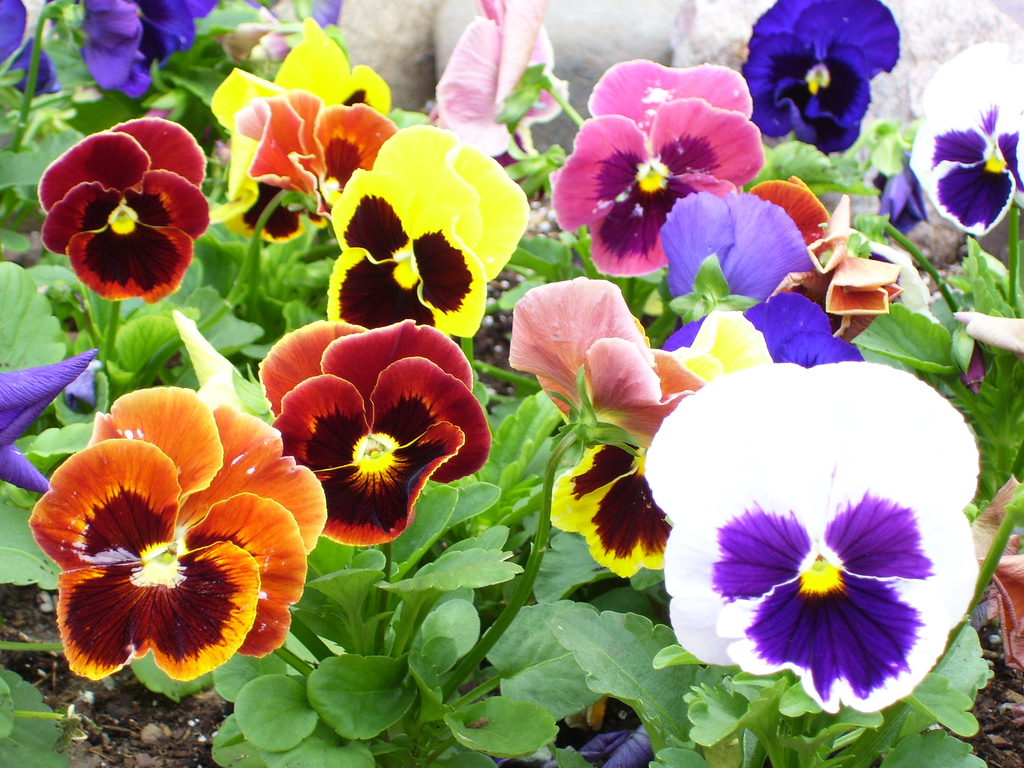
Pansies are a wonderful cool-season choice for a shady area. Available in just about every color, pansies are a cheery sight in early spring and provide a burst of color in the fall. Flowers are larger than those of their perennial cousins, the violas, and can be found in both mixes of colors or single-color packs. Though usually dormant in the heat of summer, pansies can survive light snow cover and Icebreakers in particular are likely to come back in the spring.
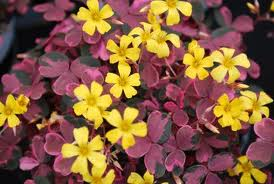
Oxalis
No, not that kind of oxalis—not the invasive, weedy variety that lives forever in sidewalk cracks. A well-chosen oxalis can be a gorgeous addition to a shade or part-sun container. Leaves range from green & purple to brilliant yellows and pinks with white, pink, or yellow flowers. Oxalis stays compact and would do well in a border or patio pot. Some varieties have very distinct color patterns and are best used in an area where they can be seen up-close.
Selecting varieties of vegetables can seem daunting when all you want is a slicing tomato and there are nine slicer options on the shelf. How to choose? Why should you pick one variety over another, and what’s the difference between hybrids and heirlooms, anyway?
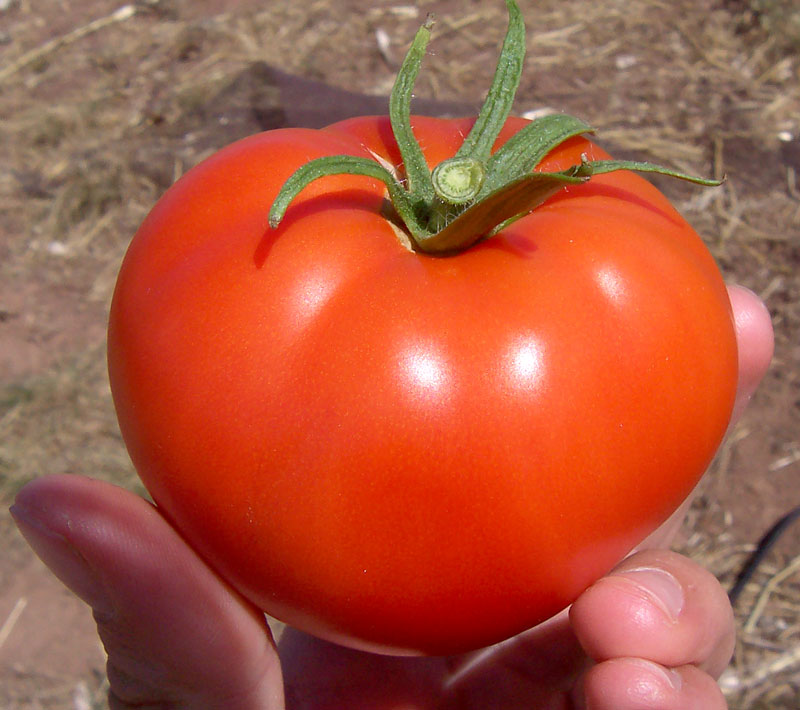
Hybrids: Plants are a cross between varieties as a result of pollination & selective breeding. Each parent plant brings different characteristics to the table (just like people!) and the resulting plants have a combination of desirable traits. Generally, hybrid plants have increased disease resistance, increased yield over other varieties, and their fruit ripens more quickly than heirloom fruits. They may also be bred for unique colors, shapes, or sizes. Keeping in mind that it took two different plants (with specific traits) to create the hybrid, it makes sense that seed saved from these plants will not produce the same “children”– just as a child is not a clone of either parent. Humans have been hybridizing plants for nearly as long as we have been planting them and it is a very natural way to produce plants that match our current needs.
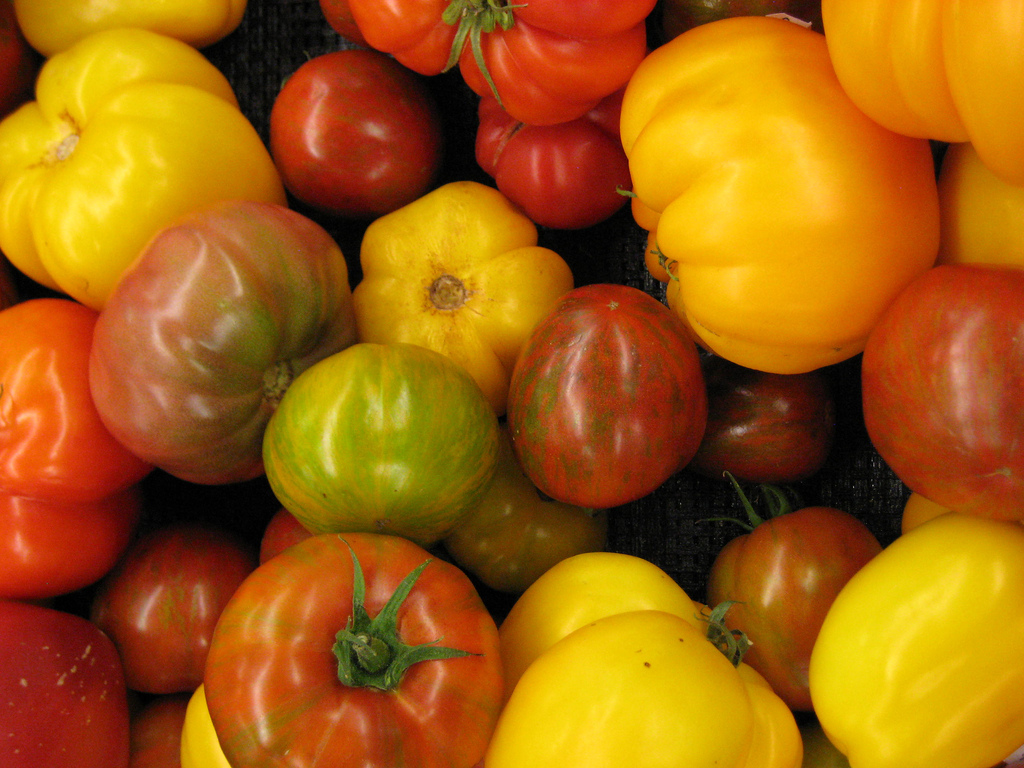
Heirlooms or Heritage: Plants meet specific criteria to qualify:
1) Variety has been in production for over 50 years or was grown prior to 1940
2) Plant can be open-pollinated to create viable seed (many hybrids produce sterile seed, since the resulting seed creates undesirable traits)
3) Seeds produced will create a plant that is similar to the parent plant
Heirlooms are maintained for many reasons, and the foremost of these is flavor. Fruits often have a shorter “shelf life”, generally take longer to ripen, and the plants have less disease resistance than hybrids (which have been bred to combat these challenges). But, oh! The sweetness and flavors are amazing, and it is well worth including them in your garden. It is also nice to know that you are experiencing flavors and colors that your ancestors would recognize.
Genetically Modified Organisms, or GMO: Plants (as well as animals & bacteria) have had genes added or subtracted to their DNA by means of genetic engineering. This is done to increase yield, pest/disease resistance, herbicide resistance, or to create otherwise desirable traits. It is extremely rare for the home gardener to encounter GMO plants or seeds. The breeding is expensive, and consequently most of the research is centered on commercial cash crops such as corn, canola, soy, or cottonseed. Studies have shown both positive and negative impacts of this engineering and public opinion remains mixed. GMO crops are grown as large scale, commercial farming crops. It is extremely unlikely for the home gardener, or even your local garden center, to have the option to purchase a GMO plant or seed, a concerned gardener can opt to purchase only seed that specifies that it is non-GMO.
Back to the original question— why should you choose one type over another? Most of us here at Echter’s grow a mix of heirloom and hybrid varieties. Those growing in containers will probably select hybrids, as there are varieties that have been bred to stay petite and won’t take over a patio. Gardeners with a lot of space and the willingness to wait until late summer for fruit will likely choose heirlooms. Mountain gardeners need plants can handle a chill and fruit quickly. Most of us fall somewhere in between and want some early hybrid fruits and a smaller, later crop of heirlooms. Mixing and matching your varieties will give you a steady stream of fruit throughout the summer and encourage you to try something new each year.